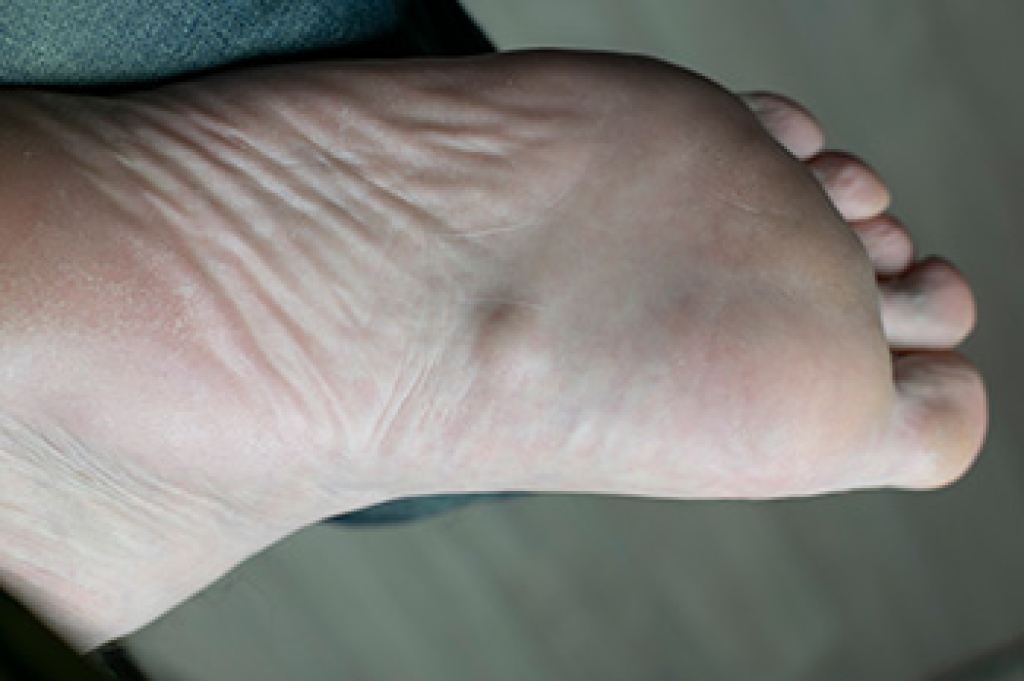
Plantar Fibroma and Its Impact on Foot Health

A plantar fibroma is a benign growth that develops within the plantar fascia, the thick band of tissue that runs along the bottom of the foot. This condition is part of a group of disorders known as plantar fibromatosis. The growth typically appears as a small, firm nodule in the arch area and may increase in size over time. Although non-cancerous, a plantar fibroma can interfere with normal walking and cause ongoing discomfort. Understanding this condition helps individuals recognize symptoms early and seek appropriate care.

Symptoms of a plantar fibroma often begin subtly with a noticeable lump in the arch of the foot. The nodule may feel firm to the touch and can become painful when pressure is applied, especially while standing or walking. Some individuals experience a dull ache or irritation when wearing shoes that press against the arch. As the fibroma grows, it may lead to changes in gait or foot positioning due to discomfort. Pain levels vary, but the presence of a persistent lump should not be ignored.

The exact cause of a plantar fibroma is not always clear, but several factors are believed to contribute. Repeated stress or strain on the plantar fascia may play a role in tissue thickening. Genetic predisposition is another important factor, as individuals with a family history of fibrous tissue conditions may be at higher risk. Additional risk factors include foot trauma, certain medical conditions, and lifestyle factors that place excessive pressure on the feet. These combined elements may lead to the formation of fibrous nodules within the fascia.

Managing a plantar fibroma involves reducing pressure on the affected area and monitoring changes in size or discomfort. Wearing supportive footwear, cushioning inserts, and activity modification may help relieve symptoms. Early evaluation is important to confirm the diagnosis and rule out other conditions. If you have a plantar fibroma, it is suggested that you consult a podiatrist for effective management solutions.

A plantar fibroma may disrupt your daily activities. If you have any concerns, contact Soorena Sadri, DPM of FootWorx Active Podiatry. Our doctor can provide the care you need to keep you pain-free and on your feet.

Plantar Fibroma

A plantar fibroma is a fibrous knot in the arch of the foot. It is embedded in the plantar fascia which is a band of tissue that extends from the heel to the toes along the bottom of the foot. There can be multiple plantar fibromas in the feet at the same time. There are no known causes for this condition. If you have a plantar fibroma, there will be a bump in the arch of your foot that cannot be missed. Any associated pain is most often due to a shoe rubbing against the nodule. Non-surgical options, such as steroid injections, physical therapy, and orthotics should be tried first. Surgery is a last resort and is the only thing that will remove a plantar fibroma entirely. Consult with a podiatrist for a proper diagnosis and to determine the treatment regimen that is right for you.

What Causes a Plantar Fibroma?

While there are no specific causes identified, a plantar fibroma can possibly come from genetic predisposition or the formation of scar tissue that forms from healing the tears in the plantar fascia.

What Are the Symptoms of a Plantar Fibroma?

There will be a noticeable lump in the arch of the foot that may or may not cause pain. If pain is felt, it is typically because a shoe is rubbing up against the lump or when walking or standing barefoot.

Treatment and Prevention

A plantar fibroma will not disappear without treatment, but it can get smaller and be a non-issue. If pain persists, a podiatrist examines the foot and when the arch of the foot is pressed, pain can be felt down to the toes. An MRI or biopsy might be performed to help diagnose or evaluate the plantar fibroma. The following non-surgical options are generally enough to reduce the size and pain of these nodules:

  • Steroid injections
  • Orthotics
  • Physical therapy to help apply anti-inflammatory creams on the bump 

Surgery is considered if the mass increases in size and the patient continues to feel pain after non-surgical methods are tried.

If you have any questions, please feel free to contact our office located in Fort Myers, FL . We offer the newest diagnostic and treatment technologies for all your foot care needs.

Read more about Plantar Fibroma

How a Podiatrist Can Help With Ankle Pain

Ankle pain can make walking, standing, and daily activities more difficult. The ankle is a complex joint that connects the foot and lower leg while helping the body maintain balance and movement. Pain can develop after an injury, repeated stress, or problems affecting the bones, ligaments, tendons, or surrounding tissues. Ligaments are strong bands of tissue that connect bones and help stabilize joints. Ankle sprains are a frequent cause of ankle pain, but other conditions can also affect ankle function. Symptoms include swelling, stiffness, tenderness, and difficulty moving the foot comfortably. Some patients also notice weakness or a feeling that the ankle is unstable. A podiatrist can perform an evaluation to identify the cause of discomfort and determine the most appropriate treatment approach.

A podiatrist examines the foot and ankle to understand how pain is affecting movement and overall function. The evaluation includes checking joint mobility, muscle strength, flexibility, balance, and walking patterns. A podiatrist also reviews the patient's symptoms, activity level, and medical history to identify factors contributing to the problem. Treatment includes customized care plans that focus on improving ankle function, supporting proper movement, and reducing stress on affected tissues. A podiatrist may also evaluate footwear because shoes that lack proper support can affect foot mechanics and place additional strain on the ankle. Treatment options are based on the patient's specific condition and examination findings.

Research shows that ankle pain can affect balance, mobility, and quality of life, making proper evaluation important for effective care. A podiatrist helps patients understand the cause of their symptoms and develops a treatment plan focused on restoring healthy foot and ankle function. Better ankle movement can improve comfort and support participation in daily activities. Treatment plans are personalized according to each patient's symptoms, physical examination, and lifestyle needs. Regular evaluations help monitor progress and guide adjustments in care. If you have symptoms of ankle pain, it is suggested that you make an appointment with a chiropractor for diagnosis and treatment.

Ankle pain can be caused by a number of problems and may be potentially serious. If you have ankle pain, consult with Soorena Sadri, DPM from FootWorx Active Podiatry. Our doctor will assess your condition and provide you with quality foot and ankle treatment.

Ankle pain is any condition that causes pain in the ankle. Due to the fact that the ankle consists of tendons, muscles, bones, and ligaments, ankle pain can come from a number of different conditions.

Causes

The most common causes of ankle pain include:

  • Types of arthritis (rheumatoid, osteoarthritis, and gout)
  • Ankle sprains
  • Broken ankles
  • Achilles tendonitis
  • Achilles tendon rupture
  • Stress fractures
  • Bursitis
  • Tarsal tunnel syndrome
  • Plantar fasciitis

Symptoms

Symptoms of ankle injury vary based upon the condition. Pain may include general pain and discomfort, swelling, aching, redness, bruising, burning or stabbing sensations, and/or loss of sensation.

Diagnosis

Due to the wide variety of potential causes of ankle pain, podiatrists will utilize a number of different methods to properly diagnose ankle pain. This can include asking for personal and family medical histories and of any recent injuries. Further diagnosis may include sensation tests, a physical examination, and potentially x-rays or other imaging tests.

Treatment

Just as the range of causes varies widely, so do treatments. Some more common treatments are rest, ice packs, keeping pressure off the foot, orthotics and braces, medication for inflammation and pain, and surgery.

If you have any questions please feel free to contact our office located in Fort Myers, FL . We offer the newest diagnostic tools and technology to treat your foot and ankle needs.

Read more about Ankle Pain

Maintaining Foot Health During the Summer

Summer is a time for vacations, outdoor activities, and spending more hours on your feet. Whether you are walking along the beach, exploring a new city, or attending outdoor events, your feet often work harder during the warmer months. Open-toed shoes, sandals, and increased activity can also make existing foot problems more noticeable. Conditions such as bunions, hammertoes, or heel pain may become more uncomfortable when footwear provides less support or places added pressure on sensitive areas. Skin and toenail concerns may also be easier to notice during sandal season. Preparing your feet for summer activities can help identify developing problems early and support healthier, more comfortable movement throughout the season.


As activity levels increase, foot discomfort can interfere with enjoying summer plans. Some people experience soreness after spending more time walking, while others notice swelling or pain after standing for long periods. Existing foot conditions may also become more noticeable because of changes in footwear or increased physical activity. Even mild symptoms should not be ignored, as they can become more limiting over time. A professional evaluation can determine whether foot pain, changes in foot shape, or nail concerns are signs of an underlying condition. Addressing these issues early may help improve comfort and support better mobility throughout the summer months.


A podiatrist can help patients prepare their feet for summer by identifying problems before they interfere with seasonal activities. During an examination, the podiatrist evaluates foot structure, walking mechanics, and any symptoms affecting comfort or mobility. Treatment is individualized to improve foot function, relieve discomfort, and help patients stay active with greater confidence. Regular podiatry care also supports long-term foot health during every season of the year. If you are experiencing foot pain, changes in your feet, or difficulty walking this summer, it is suggested that you consult a podiatrist for an evaluation and appropriate treatment options.

Everyday foot care is very important to prevent infection and other foot ailments. If you need your feet checked, contact Soorena Sadri, DPM from FootWorx Active Podiatry. Our doctor can provide the care you need to keep you pain-free and on your feet.

Everyday Foot Care

Often, people take care of their bodies, face and hair more so than they do for their feet. But the feet are a very important aspect of our bodies, and one that we should pay more attention to. Without our feet, we would not be able to perform most daily tasks.

It is best to check your feet regularly to make sure there are no new bruises or cuts that you may not have noticed before. For dry feet, moisturizer can easily be a remedy and can be applied as often as necessary to the affected areas. Wearing shoes that fit well can also help you maintain good foot health, as well as making it easier to walk and do daily activities without the stress or pain of ill-fitting shoes, high heels, or even flip flops. Wearing clean socks with closed shoes is important to ensure that sweat and bacteria do not accumulate within the shoe. Clean socks help to prevent Athlete’s foot, fungi problems, bad odors, and can absorb sweat.

If you have any questions, please feel free to contact our office located in Fort Myers, FL . We offer the newest diagnostic and treatment technologies for all your foot care needs.

Read more about Every Day Foot Care

Causes of Foot Pain From Zumba

Foot pain from Zumba refers to discomfort or injury caused by repetitive dance fitness movements performed on hard surfaces or with improper support. Zumba involves quick turns, jumps, and side- to-side motion that place stress on the plantar fascia, joints, and soft tissue. Without proper preparation and footwear, these movements can lead to strain and overuse injuries. Understanding the physical demands of dance fitness is essential for preventing pain and maintaining safe participation.

Common symptoms include arch soreness, heel pain, and a burning sensation after class. Some individuals experience sharp pain during pivoting movements or lingering stiffness the next day. Risk factors include wearing the wrong shoes that lack lateral support, exercising on cement floors, and skipping proper warm-up techniques. Beginners who do not take a preparation class may also struggle with foot positioning, increasing the risk of strain. These factors can lead to conditions such as plantar fasciitis, tendon irritation, and stress related injuries.

Prevention begins with wearing supportive cross-training shoes designed for multidirectional movement. Avoiding cement or other hard surfaces can reduce impact stress on the feet. Taking a preparation class helps build proper technique and teaches safe movement patterns. Gradual progression in intensity allows the feet to adapt to increased activity. Stretching before and after class, including simple foot and ankle exercises, can improve flexibility and reduce stiffness. These strategies support both performance and injury prevention.

The key takeaway is that Zumba can be enjoyable and beneficial when proper precautions are taken. Paying attention to footwear, surface choice, and technique significantly lowers the risk of foot pain. Early recognition of symptoms allows for prompt care and recovery. If you enjoy Zumba and have developed foot pain, it is suggested that you consult a podiatrist for effective relief and treatment solutions.

Foot Pain

Foot pain can be extremely painful and debilitating. If you have a foot pain, consult with Soorena Sadri, DPM from FootWorx Active Podiatry. Our doctor will assess your condition and provide you with quality foot and ankle treatment.

Causes

Foot pain is a very broad condition that could be caused by one or more ailments. The most common include:

  • Bunions
  • Hammertoes
  • Plantar Fasciitis
  • Bone Spurs
  • Corns
  • Tarsal Tunnel Syndrome
  • Ingrown Toenails
  • Arthritis (such as Gout, Rheumatoid, and Osteoarthritis)
  • Flat Feet
  • Injury (from stress fractures, broken toe, foot, ankle, Achilles tendon ruptures, and sprains)
  • And more

Diagnosis

To figure out the cause of foot pain, podiatrists utilize several different methods. This can range from simple visual inspections and sensation tests to X-rays and MRI scans. Prior medical history, family medical history, and any recent physical traumatic events will all be taken into consideration for a proper diagnosis.

Treatment

Treatment depends upon the cause of the foot pain. Whether it is resting, staying off the foot, or having surgery; podiatrists have a number of treatment options available for foot pain.

If you have any questions, please feel free to contact our office located in Fort Myers, FL . We offer the newest diagnostic and treatment technologies for all your foot care needs.

Read more about Foot Pain

Connect With Us