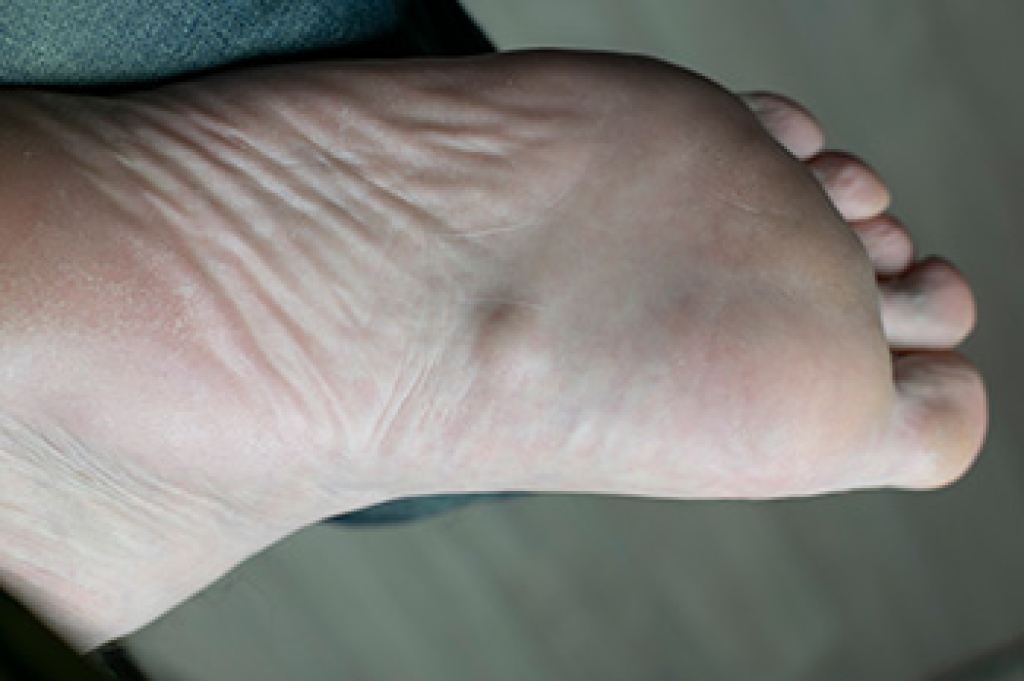
A plantar fibroma is a benign growth that develops within the plantar fascia, the thick band of tissue that runs along the bottom of the foot. This condition is part of a group of disorders known as plantar fibromatosis. The growth typically appears as a small, firm nodule in the arch area and may increase in size over time. Although non-cancerous, a plantar fibroma can interfere with normal walking and cause ongoing discomfort. Understanding this condition helps individuals recognize symptoms early and seek appropriate care.
Symptoms of a plantar fibroma often begin subtly with a noticeable lump in the arch of the foot. The nodule may feel firm to the touch and can become painful when pressure is applied, especially while standing or walking. Some individuals experience a dull ache or irritation when wearing shoes that press against the arch. As the fibroma grows, it may lead to changes in gait or foot positioning due to discomfort. Pain levels vary, but the presence of a persistent lump should not be ignored.
The exact cause of a plantar fibroma is not always clear, but several factors are believed to contribute. Repeated stress or strain on the plantar fascia may play a role in tissue thickening. Genetic predisposition is another important factor, as individuals with a family history of fibrous tissue conditions may be at higher risk. Additional risk factors include foot trauma, certain medical conditions, and lifestyle factors that place excessive pressure on the feet. These combined elements may lead to the formation of fibrous nodules within the fascia.
Managing a plantar fibroma involves reducing pressure on the affected area and monitoring changes in size or discomfort. Wearing supportive footwear, cushioning inserts, and activity modification may help relieve symptoms. Early evaluation is important to confirm the diagnosis and rule out other conditions. If you have a plantar fibroma, it is suggested that you consult a podiatrist for effective management solutions.
A plantar fibroma may disrupt your daily activities. If you have any concerns, contact Soorena Sadri, DPM of FootWorx Active Podiatry. Our doctor can provide the care you need to keep you pain-free and on your feet.
Plantar Fibroma
A plantar fibroma is a fibrous knot in the arch of the foot. It is embedded in the plantar fascia which is a band of tissue that extends from the heel to the toes along the bottom of the foot. There can be multiple plantar fibromas in the feet at the same time. There are no known causes for this condition. If you have a plantar fibroma, there will be a bump in the arch of your foot that cannot be missed. Any associated pain is most often due to a shoe rubbing against the nodule. Non-surgical options, such as steroid injections, physical therapy, and orthotics should be tried first. Surgery is a last resort and is the only thing that will remove a plantar fibroma entirely. Consult with a podiatrist for a proper diagnosis and to determine the treatment regimen that is right for you.
What Causes a Plantar Fibroma?
While there are no specific causes identified, a plantar fibroma can possibly come from genetic predisposition or the formation of scar tissue that forms from healing the tears in the plantar fascia.
What Are the Symptoms of a Plantar Fibroma?
There will be a noticeable lump in the arch of the foot that may or may not cause pain. If pain is felt, it is typically because a shoe is rubbing up against the lump or when walking or standing barefoot.
Treatment and Prevention
A plantar fibroma will not disappear without treatment, but it can get smaller and be a non-issue. If pain persists, a podiatrist examines the foot and when the arch of the foot is pressed, pain can be felt down to the toes. An MRI or biopsy might be performed to help diagnose or evaluate the plantar fibroma. The following non-surgical options are generally enough to reduce the size and pain of these nodules:
- Steroid injections
- Orthotics
- Physical therapy to help apply anti-inflammatory creams on the bump
Surgery is considered if the mass increases in size and the patient continues to feel pain after non-surgical methods are tried.
If you have any questions, please feel free to contact our office located in Fort Myers, FL . We offer the newest diagnostic and treatment technologies for all your foot care needs.
