Signs and Causes of Toe Infections

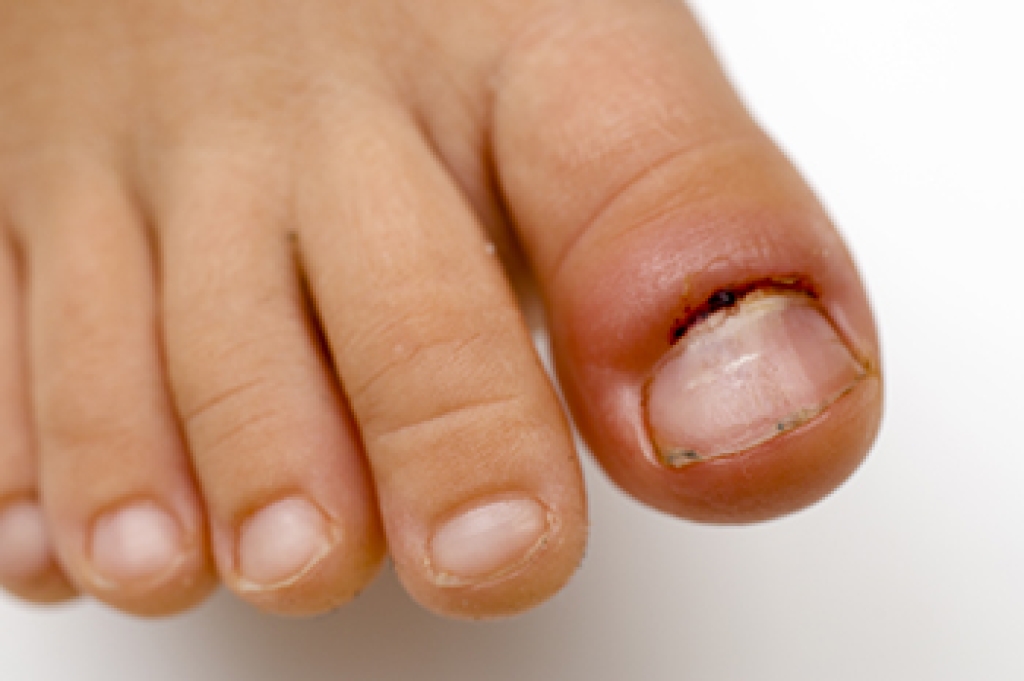
A toe infection can cause pain, swelling, redness, and discharge, making daily activities difficult to complete. Common causes of toe infections include fungal infections like athlete’s foot or toenail fungus, bacterial infections from cuts or injuries, and ingrown toenails. Fungal infections thrive in warm, moist environments and can spread through shared surfaces or personal items. Bacterial infections often develop when bacteria enter the skin through small breaks, such as improperly trimmed nails or blisters. People with diabetes or circulation problems are at a higher risk, as they may not feel early symptoms, which allows infections to get worse. Signs of a more serious infection include fever, warmth surrounding the toe, or red streaks moving up the foot. Without treatment, an infection can spread to deeper tissues, increasing the risk of serious complications. A podiatrist can diagnose the cause of your infected toe, clean the affected area, and recommend the appropriate treatment. Antifungal medication, antibiotics, or minor procedures to remove infected tissue are among the options. If you believe your toe has become infected, it is suggested that you schedule an appointment with a podiatrist for an exam, diagnosis, and treatment.

Toe pain can disrupt your daily activities. If you have any concerns, contact Soorena Sadri, DPM of FootWorx Active Podiatry. Our doctor can provide the care you need to keep you pain-free and on your feet.

What Causes Toe Pain?

Most severe toe pain is caused due to a sports injury, trauma from dropping something heavy on the toe, or bumping into something rigid. Other problems can develop over time for various reasons.

Toe pain can be caused by one or more ailments. The most common include:

  • Trauma
  • Sports injury
  • Wearing shoes that are too tight
  • Arthritis
  • Gout
  • Corns and calluses
  • Hammertoe
  • Bunions
  • Blisters
  • Ingrown toenails
  • Sprains
  • Fractures (broken bones)
  • Dislocations

When to See a Podiatrist

  • Severe pain
  • Persistent pain that lasts more than a week
  • Signs of infection
  • Continued swelling
  • Pain that prevents walking

Diagnosis

In many cases the cause of toe pain is obvious, but in others, a podiatrist may want to use more advanced methods to determine the problem. These can range from simple visual inspections and sensation tests to X-rays and MRI scans. Prior medical history, family medical history, and any recent physical traumatic events will all be taken into consideration for a proper diagnosis.

Treatment

Treatments for toe pain and injuries vary and may include shoe inserts, padding, taping, medicines, injections, and in some cases, surgery. If you believe that you have broken a toe, please see a podiatrist as soon as possible.

If you have any questions please contact our office located in Fort Myers, FL . We offer the newest diagnostic and treatment technologies for all your foot and ankle needs.

Read more about Toe Pain

Struggling With Heel Pain? Custom Orthotics Can Help

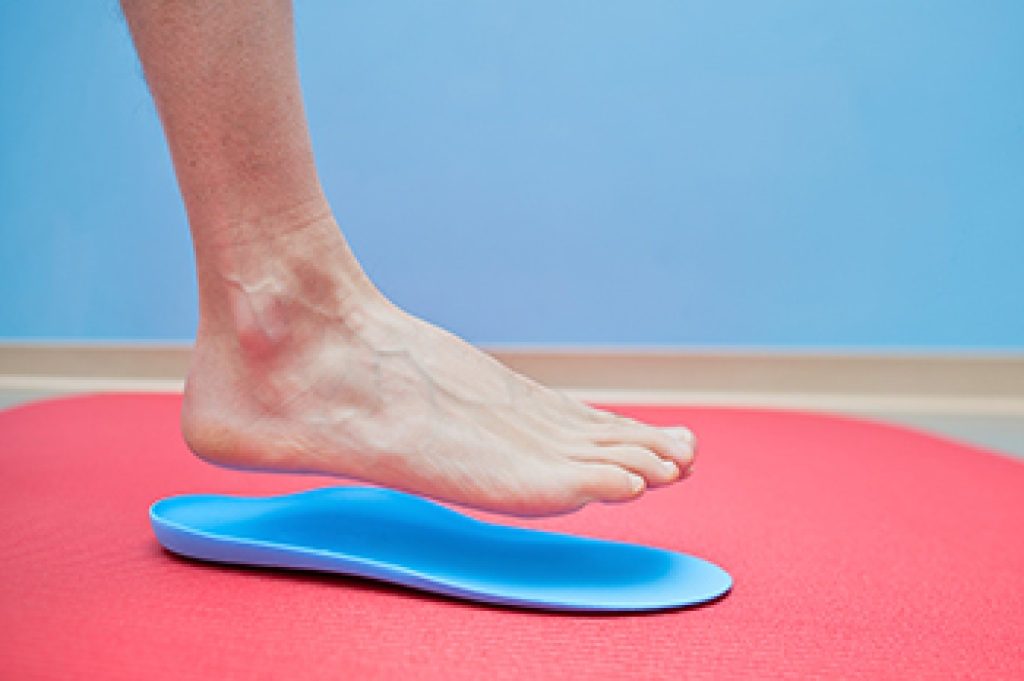
Struggling with heel pain? Discover the relief Custom Orthotics can bring. Customized to your foot's unique structure, Custom Orthotics offer targeted support, alleviating pressure points and redistributing weight. This means reduced heel pain and a more comfortable step, every time. Whether you're walking, working, or working out, Custom Orthotics ensure your heels feel cushioned and cared for. Experience the transformative power of Custom Orthotics with us today! Call today for more information.

Signs of Morton’s Neuroma

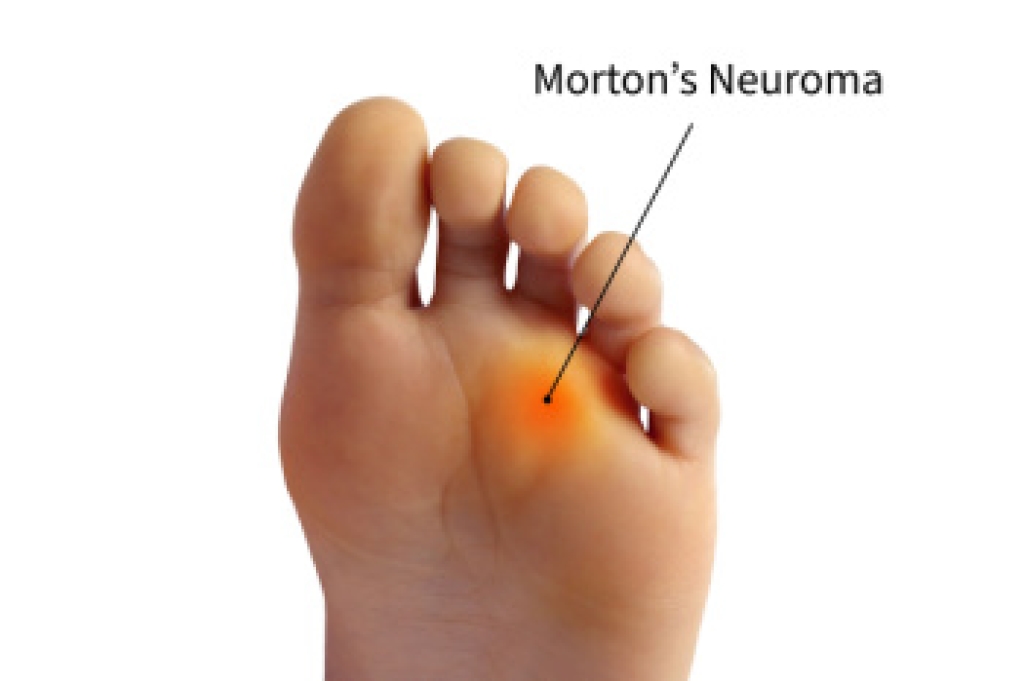
Morton's neuroma is a painful foot condition that typically affects the nerves between the third and fourth toes. It occurs when the tissue surrounding a nerve thickens, causing compression and irritation. Common symptoms include a sharp, burning pain in the ball of the foot, a feeling of something being stuck in your shoe, numbness, or tingling. The pain often worsens while walking or wearing tight shoes. The primary causes of Morton's neuroma include repetitive pressure on the foot, wearing high heels or tight footwear, and certain foot deformities like flat feet. Individuals who participate in high-impact sports or activities may also be more prone to developing a Morton’s neuroma. A podiatrist can help diagnose Morton's neuroma through a physical exam, imaging tests, and a review of your medical history. Treatment options include changes in footwear, orthotic inserts, corticosteroid injections, or surgery, in severe cases. If you are experiencing this type of pain, it is suggested that you schedule an appointment with a podiatrist who can accurately diagnose and treat Morton's neuroma.

Morton’s neuroma is a very uncomfortable condition to live with. If you think you have Morton’s neuroma, contact Soorena Sadri, DPM of FootWorx Active Podiatry. Our doctor will attend to all of your foot care needs and answer any of your related questions.  

Morton’s Neuroma

Morton's neuroma is a painful foot condition that commonly affects the areas between the second and third or third and fourth toe, although other areas of the foot are also susceptible. Morton’s neuroma is caused by an inflamed nerve in the foot that is being squeezed and aggravated by surrounding bones.

What Increases the Chances of Having Morton’s Neuroma?

  • Ill-fitting high heels or shoes that add pressure to the toe or foot
  • Jogging, running or any sport that involves constant impact to the foot
  • Flat feet, bunions, and any other foot deformities

Morton’s neuroma is a very treatable condition. Orthotics and shoe inserts can often be used to alleviate the pain on the forefront of the feet. In more severe cases, corticosteroids can also be prescribed. In order to figure out the best treatment for your neuroma, it’s recommended to seek the care of a podiatrist who can diagnose your condition and provide different treatment options.

If you have any questions, please feel free to contact our office located in Fort Myers, FL . We offer the newest diagnostic and treatment technologies for all your foot care needs.

Read more about What is Morton's Neuroma?

Let the Expert Treat Your Ingrown Toenails

Ingrown toenails can be painful and can make wearing shoes or walking uncomfortable. Seek professional help if you believe you've developed an ingrown toenail and be treated safely. 

How Foot Orthotics Can Benefit Diabetic Foot Health

Diabetic foot problems, including neuropathy, poor circulation, and increased risk of ulcers, can make foot care challenging. Foot orthotics are an essential tool in managing these issues, providing both protection and support. Custom orthotics help redistribute pressure across the foot, reducing the risk of developing pressure sores or ulcers, which are common in individuals with diabetes. By improving foot alignment, orthotics can also enhance overall mobility and comfort, reducing strain on vulnerable areas. They can offer additional cushioning to protect the feet from impact and irritation, which is vital for people with decreased sensation. For those with diabetic foot concerns, orthotics provide a preventive and supportive solution, helping maintain foot health and reduce the likelihood of complications. If you have diabetes and your feet are affected, it is suggested that you consult a podiatrist who can fit you for custom-made orthotics.

Custom orthotics are specialized shoe inserts created to support and align the feet according to each person’s unique structure and walking pattern. They are an effective way to relieve foot discomfort caused by conditions such as flat feet, high arches, plantar fasciitis, bunions, and heel pain. When the natural alignment of the foot is off balance, it can lead to pressure points, strain, and pain that affect how a person stands, walks, and moves. Orthotics work by redistributing weight evenly and supporting the arch to reduce stress on the muscles, tendons, and joints of the feet and lower legs.

Foot discomfort can develop for many reasons, including wearing improper footwear, long hours of standing, repetitive motion, or underlying structural problems. Over time, this discomfort can extend beyond the feet, contributing to knee, hip, or lower back pain. Custom orthotics help correct these issues by improving alignment and promoting more efficient movement. They are made using precise measurements and imaging to ensure the best fit for each patient, providing targeted support and cushioning where it is needed most.

Unlike generic insoles, custom orthotics are durable, medically designed, and tailored to your specific needs. Whether you are managing chronic pain, recovering from an injury, or simply seeking better comfort and stability, orthotics can make a noticeable difference in how your feet feel throughout the day.

If you are experiencing persistent foot discomfort or fatigue, it may be time to have your feet evaluated by a podiatrist. Call our office today for more information or to schedule an appointment.

If you have any questions, please feel free to contact our office located in Fort Myers, FL

Read more about Investing in Custom Orthotics Means Investing in Foot Health

Connect With Us