Foot Dystonia

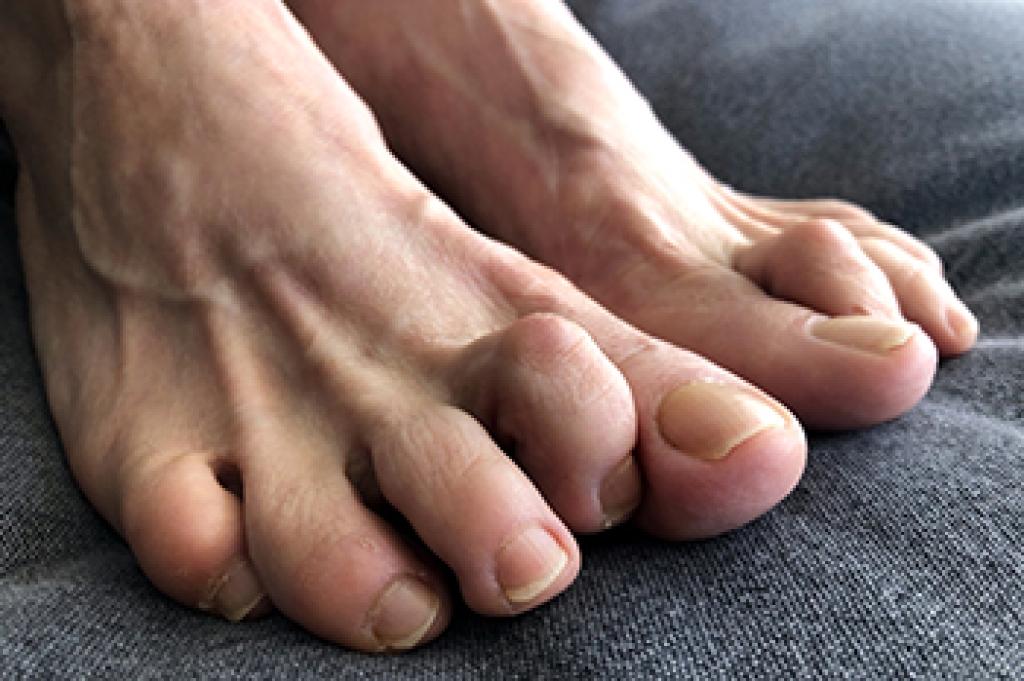
Dystonia is a neurological disorder causing involuntary muscle contractions and repetitive movements. When it affects the feet, it can lead to abnormal postures, twisting, and repetitive movements that affect mobility and balance. Foot dystonia can manifest as toe curling, arch cramping, or uncontrollable foot movements. These symptoms can cause discomfort, pain, and difficulty walking or standing. Additionally, foot dystonia may result in deformities, such as claw toes or high arches, over time. Treatment typically involves a combination of therapies, including medications, injections, and sometimes surgical interventions. If you or your child has unusual symptoms to do with movement of the feet, it is strongly suggested that you schedule an appointment with a podiatrist for an evaluation and diagnosis. Regular monitoring and adjustments to treatment plans may be necessary to address changes in symptoms and optimize outcomes.

Some foot conditions may require additional professional care. If you have any concerns, contact Soorena Sadri, DPM of FootWorx Active Podiatry. Our doctor can provide the care you need to keep you pain-free and on your feet.

Rare Foot Conditions

The majority of foot conditions are common and can be treated by a podiatrist.  Standard diagnostic procedures are generally used to identify specific conditions and treatment can be rendered. A podiatrist also treats rare foot conditions which can be difficult to diagnose and may need extra attention and care. 

There are many rare foot conditions that can affect children. Some of these can include:

  • Freiberg’s disease
  • Kohler’s disease
  • Maffucci syndrome

Freiberg’s disease - This can be seen as a deterioration and flattening of a metatarsal bone that exists in the ball of the foot. It typically affects pre-teen and teenage girls, but can affect anyone at any age. Symptoms that can accompany this can be swelling, stiffness, and the patient may limp. 

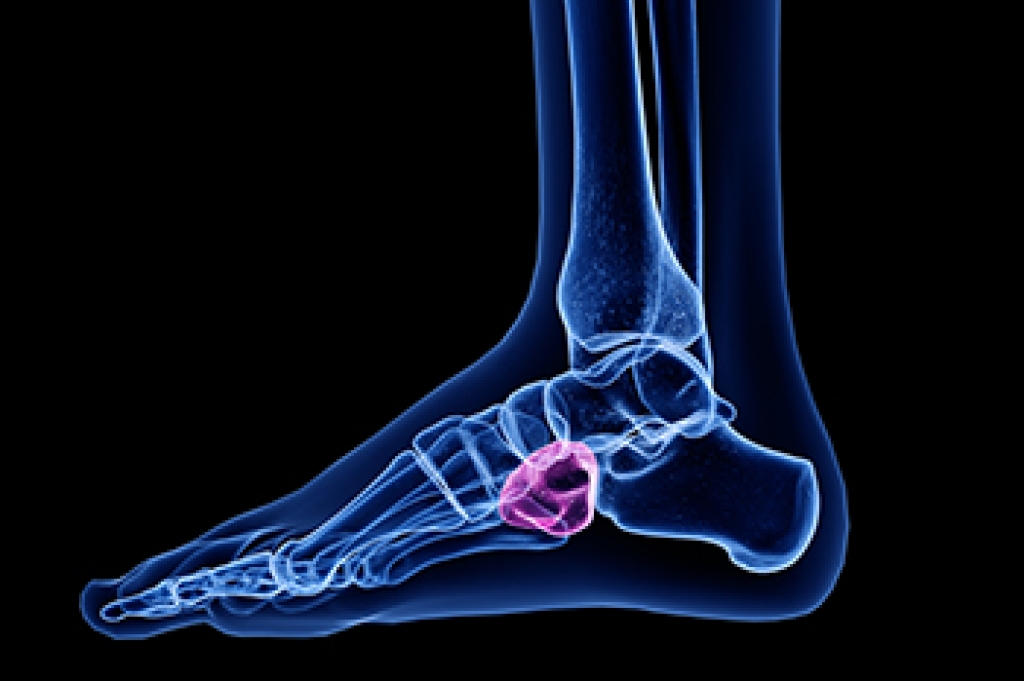
Kohler’s disease - This often targets the bone in the arch of the foot and affects younger boys. It can lead to an interruption of the blood supply which ultimately can lead to bone deterioration. The patient may limp or experience tenderness, swelling, and redness.

Maffucci syndrome - This affects the long bones in a child’s foot leading to the development of abnormal bone lesions. They are benign growths and typically develop in early childhood and the bones may be susceptible to breaking. 

A podiatrist can properly diagnose and treat all types of rare foot conditions. If your child is affected by any of these symptoms or conditions, please don’t hesitate to call our office so the correct treatment method can begin.

If you have any questions, please feel free to contact our office located in Fort Myers, FL . We offer the newest diagnostic and treatment technologies for all your foot care needs.
Read more about Rare Foot Conditions

Foot Pain Caused by Cuboid Syndrome

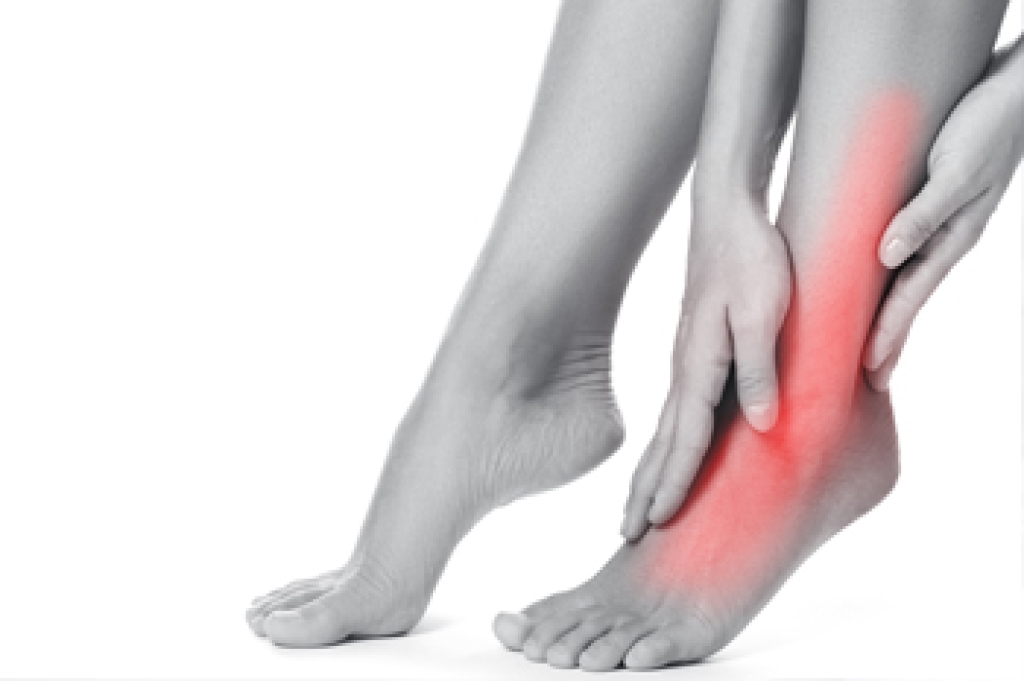
Cuboid syndrome is a foot condition in which the cuboid bone has been displaced due to stress on the foot. Someone with cuboid syndrome may experience pain on the outer side of the foot, particularly in the midfoot area, which can worsen with weight-bearing activities like walking or running. The patient’s foot may be swollen, tender to the touch, and difficult to stand on. Additionally, they might complain of discomfort or pain during sports and physical activity. Early recognition and intervention can help alleviate symptoms and prevent long-term complications, allowing patients to return to their normal activities. If you have any of these symptoms, it is suggested you seek medical attention from a podiatrist who can diagnose and treat the source of the pain. 

Cuboid syndrome, also known as cuboid subluxation, occurs when the joints and ligaments near the cuboid bone in the foot become torn. If you have cuboid syndrome, consult with Soorena Sadri, DPM from FootWorx Active Podiatry. Our doctor will assess your condition and provide you with quality foot and ankle treatment.

Cuboid syndrome is a common cause of lateral foot pain, which is pain on the outside of the foot. The condition may happen suddenly due to an ankle sprain, or it may develop slowly overtime from repetitive tension through the bone and surrounding structures.

Causes

The most common causes of cuboid syndrome include:

  • Injury – The most common cause of this ailment is an ankle sprain.
  • Repetitive Strain – Tension placed through the peroneus longus muscle from repetitive activities such as jumping and running may cause excessive traction on the bone causing it to sublux.
  • Altered Foot Biomechanics – Most people suffering from cuboid subluxation have flat feet.

Symptoms

A common symptom of cuboid syndrome is pain along the outside of the foot which can be felt in the ankle and toes. This pain may create walking difficulties and may cause those with the condition to walk with a limp.

Diagnosis

Diagnosis of cuboid syndrome is often difficult, and it is often misdiagnosed. X-rays, MRIs and CT scans often fail to properly show the cuboid subluxation. Although there isn’t a specific test used to diagnose cuboid syndrome, your podiatrist will usually check if pain is felt while pressing firmly on the cuboid bone of your foot.

Treatment

Just as the range of causes varies widely, so do treatments. Some more common treatments are ice therapy, rest, exercise, taping, and orthotics.

If you have any questions, please feel free to contact our office located in Fort Myers, FL . We offer the newest diagnostic and treatment technologies for all your foot care needs.

Read more about All About Cuboid Syndrome

Heel Pain in the Morning?

Heel pain can negatively affect your day-to-day life. Simple activities like walking can become incredibly uncomfortable or painful due to heel pain.

Don’t live with heel pain and get treated.

Custom Orthotics For Seniors

Age gracefully and move freely with Custom Orthotics. For seniors seeking to maintain their independence, Custom Orthotics offer the stability and comfort essential for daily activities. Custom-tailored to your feet, they provide support, reduce pain, and enhance mobility, ensuring you're always on sure footing. Don't let age-related foot concerns hold you back. With Custom Orthotics, embrace every golden moment with confidence. Call today to schedule an appointment.

Hammertoe Symptoms

Daily wear and tear can harm your toes, which are essential for balance and movement. Hammertoe is a toe problem where the middle joint bends upward, making the toe look like a hammer. Toes have muscles on top to stretch them and muscles underneath to bend them. Weak bottom muscles can lead to an upward bend at the middle joint, causing a hammertoe. This can hurt while walking and may affect balance. Symptoms include a bent toe that will not relax, swelling, corns, calluses, pain while walking, and changes in balance or walking style. Other toe issues like claw toes, mallet toes, and bunions exist, often alongside hammertoes. Risk factors include foot shape, medical conditions, like diabetes, arthritis, wrong shoes, and foot injuries. If you have a hammertoe that is causing discomfort, it is suggested that you schedule an appointment with a podiatrist for guidance.

Hammertoes can be a painful condition to live with. For more information, contact Soorena Sadri, DPM of FootWorx Active Podiatry. Our doctor will answer any of your foot- and ankle-related questions.

Hammertoe

Hammertoe is a foot deformity that occurs due to an imbalance in the muscles, tendons, or ligaments that normally hold the toe straight. It can be caused by the type of shoes you wear, your foot structure, trauma, and certain disease processes.

Symptoms

  • Painful and/or difficult toe movement
  • Swelling
  • Joint stiffness
  • Calluses/Corns
  • Physical deformity

Risk Factors

  • Age – The risk of hammertoe increases with age
  • Sex – Women are more likely to have hammertoe compared to men
  • Toe Length – You are more likely to develop hammertoe if your second toe is longer than your big toe
  • Certain Diseases – Arthritis and diabetes may make you more likely to develop hammertoe

Treatment

If you have hammertoe, you should change into a more comfortable shoe that provides enough room for your toes. Exercises such as picking up marbles may strengthen and stretch your toe muscles. Nevertheless, it is important to seek assistance from a podiatrist in order to determine the severity of your hammertoe and see which treatment option will work best for you.

If you have any questions, please feel free to contact our office located in Fort Myers, FL . We offer the newest diagnostic and treatment technologies for all your foot care needs.

Read more about What Are Hammertoes?

Connect With Us