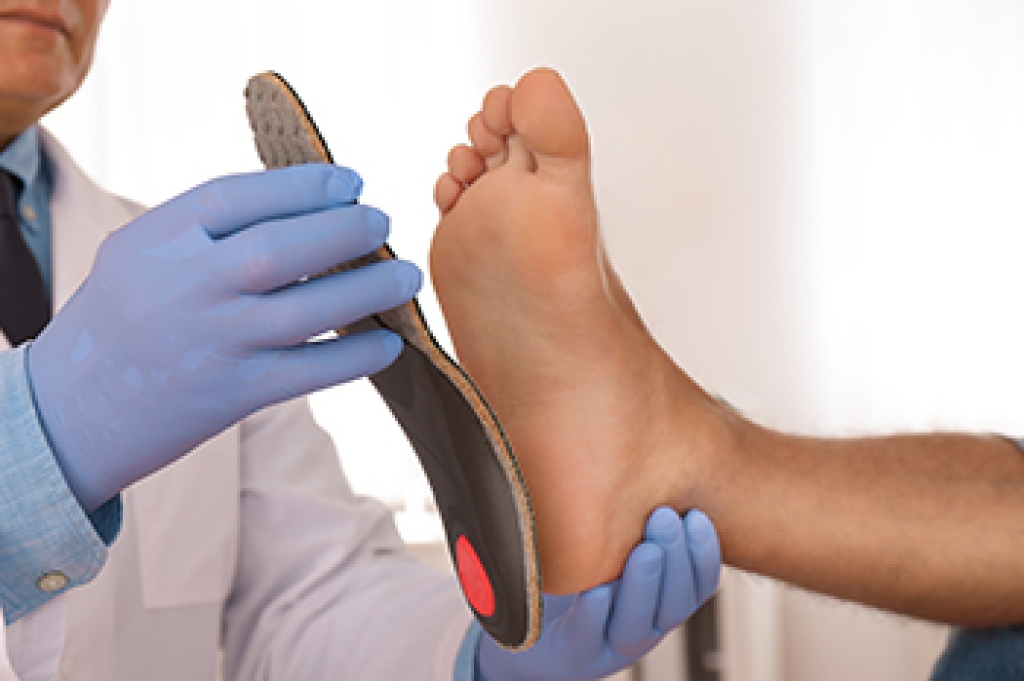
Types of Gait Abnormalities

Gait abnormalities can place excessive strain on the feet, toes, and ankles, leading to pain and an increased risk of injury. Common gait abnormalities include propulsive gait, where a person leans forward while walking and spastic gait, which involves stiff, dragging movements. Steppage gait occurs when the foot drops, requiring exaggerated lifting of the leg. Waddling gait causes instability resulting from hip weakness, while ataxic gait results in unsteady, wide-based steps. Magnetic gait creates a sensation of the feet sticking to the ground, and antalgic gait shortens steps due to pain. These walking patterns may result from arthritis, nerve conditions, foot deformities, or injuries. A podiatrist can perform a gait analysis, which evaluates foot alignment, pressure distribution, and movement mechanics. This assessment helps identify the underlying cause of abnormal walking patterns and determines the best approach for relief. Treatment may include orthotic devices, footwear modifications, or even surgery. If you are experiencing foot pain while or after walking, it is suggested that you schedule an appointment with a podiatrist for a diagnosis and treatment options.

If you have any concerns about your feet, contact Soorena Sadri, DPM from FootWorx Active Podiatry. Our doctor can provide the care you need to keep you pain-free and on your feet.

Biomechanics in Podiatry

Podiatric biomechanics is a particular sector of specialty podiatry with licensed practitioners who are trained to diagnose and treat conditions affecting the foot, ankle and lower leg. Biomechanics deals with the forces that act against the body, causing an interference with the biological structures. It focuses on the movement of the ankle, the foot and the forces that interact with them.

A History of Biomechanics

  • Biomechanics dates back to the BC era in Egypt where evidence of professional foot care has been recorded.
  • In 1974, biomechanics gained a higher profile from the studies of Merton Root, who claimed that by changing or controlling the forces between the ankle and the foot, corrections or conditions could be implemented to gain strength and coordination in the area.

Modern technological improvements are based on past theories and therapeutic processes that provide a better understanding of podiatric concepts for biomechanics. Computers can provide accurate information about the forces and patterns of the feet and lower legs.

Understanding biomechanics of the feet can help improve and eliminate pain, stopping further stress to the foot.

If you have any questions please feel free to contact our office located in Fort Myers, FL . We offer the newest diagnostic and treatment technologies for all your foot and ankle needs.

Read more about Biomechanics in Podiatry

Custom Orthotics Help Runners Protect Their Feet

Runners, meet your game-changer: Custom Orthotics. Every stride matters, and with Custom Orthotics, you can ensure optimal foot alignment, reducing stress on joints and muscles. They help absorb shock, protect against injuries, and can even enhance your running efficiency. Whether you're sprinting short distances or conquering marathons, Custom Orthotics provide the support and balance your feet crave. Call today for more information.

Causes and Risk Factors for Bunions

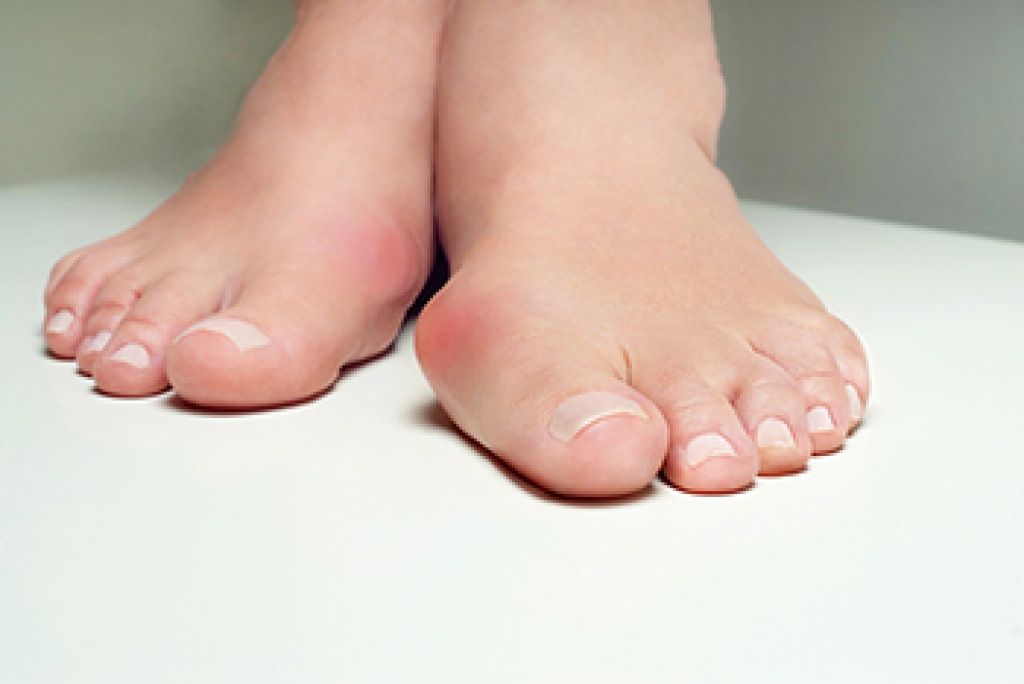
A bunion is a painful bony lump that forms at the base of the big toe when the top of the toe leans toward the second toe. Bunions often develop due to inherited foot structure, injuries, or excessive pressure on the front of the foot. People with flat feet or inward-rolling ankles may be more prone to the formation of bunions, as these conditions affect weight distribution and joint stability. Wearing tight, narrow, or high-heeled shoes can worsen the problem by increasing pressure on the big toe joint. Certain types of arthritis, like rheumatoid arthritis or gout, may also contribute by weakening the joint over time. As a bunion progresses, symptoms can include pain, redness, swelling, stiffness, and difficulty wearing shoes comfortably. Some people also develop corns, calluses, or ingrown toenails due to toe crowding. A podiatrist can evaluate the severity of a bunion and discuss treatment options, including footwear modifications or surgery if the condition significantly affects mobility. If you have foot problems related to bunions, it is suggested that you schedule an appointment with a podiatrist for a diagnosis and treatment options.

If you are suffering from bunions, contact Soorena Sadri, DPM of FootWorx Active Podiatry. Our doctor can provide the care you need to keep you pain-free and on your feet.

What Is a Bunion?

A bunion is formed of swollen tissue or an enlargement of boney growth, usually located at the base joint of the toe that connects to the foot. The swelling occurs due to the bones in the big toe shifting inward, which impacts the other toes of the foot. This causes the area around the base of the big toe to become inflamed and painful.

Why Do Bunions Form?

Genetics – Susceptibility to bunions are often hereditary

Stress on the feet – Poorly fitted and uncomfortable footwear that places stress on feet, such as heels, can worsen existing bunions

How Are Bunions Diagnosed?

Podiatrists often perform two tests – blood tests and x-rays – when trying to diagnose bunions, especially in the early stages of development. Blood tests help determine if the foot pain is being caused by something else, such as arthritis, while x-rays provide a clear picture of your bone structure to your provider.

How Are Bunions Treated?

  • Refrain from wearing heels or similar shoes that cause discomfort
  • Select wider shoes that can provide more comfort and reduce pain
  • Anti-inflammatory and pain management drugs
  • Orthotics or foot inserts
  • Surgery

If you have any questions, please feel free to contact our office located in Fort Myers, FL . We offer the newest diagnostic and treatment technologies for all your foot care needs.

Read more about Bunions

Are Bunions Affecting Your Everyday Life?

Have you noticed a bony protrusion on the side of your big toe? If so, you may have developed the foot condition known as a bunion. Don't let bunions interfere with your daily activities.

Foot Orthotics for Treating Plantar Fasciitis

Plantar fasciitis is a common foot condition that causes pain in the heel and bottom of the foot, typically occurring after periods of rest or in the morning. It arises when the plantar fascia, a thick band of tissue that runs along the bottom of the foot, becomes irritated or inflamed due to overuse or abnormal foot mechanics. Symptoms often include sharp heel pain, especially with the first steps taken in the morning, and aching that worsens with activity. Foot orthotics are custom-designed shoe inserts that help treat plantar fasciitis by providing additional support to the arch and cushioning to the heel. These orthotics work to redistribute pressure across the foot, reducing strain on the plantar fascia and promoting proper alignment. By improving foot mechanics and alleviating stress on the heel, custom orthotics can significantly reduce pain, enhance comfort, and help prevent the recurrence of plantar fasciitis. If you have heel pain, it is suggested that you consult a podiatrist who can accurately diagnose plantar fasciitis, and offer treatment solutions that may include custom-made orthotics.

Custom orthotics are specialized shoe inserts created to support and align the feet according to each person’s unique structure and walking pattern. They are an effective way to relieve foot discomfort caused by conditions such as flat feet, high arches, plantar fasciitis, bunions, and heel pain. When the natural alignment of the foot is off balance, it can lead to pressure points, strain, and pain that affect how a person stands, walks, and moves. Orthotics work by redistributing weight evenly and supporting the arch to reduce stress on the muscles, tendons, and joints of the feet and lower legs.

Foot discomfort can develop for many reasons, including wearing improper footwear, long hours of standing, repetitive motion, or underlying structural problems. Over time, this discomfort can extend beyond the feet, contributing to knee, hip, or lower back pain. Custom orthotics help correct these issues by improving alignment and promoting more efficient movement. They are made using precise measurements and imaging to ensure the best fit for each patient, providing targeted support and cushioning where it is needed most.

Unlike generic insoles, custom orthotics are durable, medically designed, and tailored to your specific needs. Whether you are managing chronic pain, recovering from an injury, or simply seeking better comfort and stability, orthotics can make a noticeable difference in how your feet feel throughout the day.

If you are experiencing persistent foot discomfort or fatigue, it may be time to have your feet evaluated by a podiatrist. Call our office today for more information or to schedule an appointment.

If you have any questions, please feel free to contact our office located in Fort Myers, FL

Read more about Investing in Custom Orthotics Means Investing in Foot Health

Connect With Us