Recognizing Peripheral Arterial Disease in the Feet

Peripheral arterial disease, or PAD, is a condition that affects blood flow to the legs and feet due to narrowed or blocked arteries. Reduced circulation can lead to pain, numbness, cold feet, or slow-healing wounds, especially during walking or activity. Some people may feel cramping in the calves or feet that improves with rest. PAD is more common in older adults and those with diabetes, high blood pressure, or a history of smoking. It may also cause changes in skin color or hair loss on the legs. Left untreated, PAD increases the risk of serious complications such as foot ulcers or infections. Lifestyle changes, medications, and sometimes surgical options are used to improve circulation. If you notice pain in your feet during activity or other signs of poor circulation, it is suggested that you see a podiatrist who can assess your symptoms and recommend appropriate care.

Peripheral artery disease can pose a serious risk to your health. It can increase the risk of stroke and heart attack. If you have symptoms of peripheral artery disease, consult with Soorena Sadri, DPM from FootWorx Active Podiatry. Our doctor will assess your condition and provide you with quality foot and ankle treatment.

Peripheral artery disease (PAD) is when arteries are constricted due to plaque (fatty deposits) build-up. This results in less blood flow to the legs and other extremities. The main cause of PAD is atherosclerosis, in which plaque builds up in the arteries.

Symptoms

Symptoms of PAD include:

  • Claudication (leg pain from walking)
  • Numbness in legs
  • Decrease in growth of leg hair and toenails
  • Paleness of the skin
  • Erectile dysfunction
  • Sores and wounds on legs and feet that won’t heal
  • Coldness in one leg

It is important to note that a majority of individuals never show any symptoms of PAD.

Diagnosis

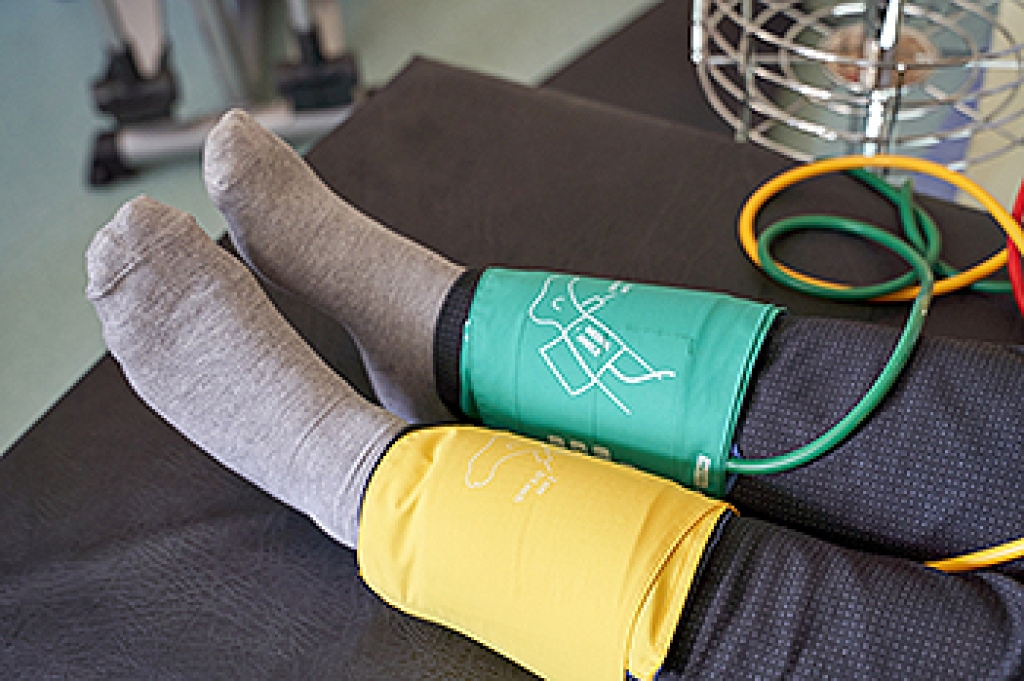
While PAD occurs in the legs and arteries, Podiatrists can diagnose PAD. Podiatrists utilize a test called an ankle-brachial index (ABI). An ABI test compares blood pressure in your arm to you ankle to see if any abnormality occurs. Ultrasound and imaging devices may also be used.

Treatment

Fortunately, lifestyle changes such as maintaining a healthy diet, exercising, managing cholesterol and blood sugar levels, and quitting smoking, can all treat PAD. Medications that prevent clots from occurring can be prescribed. Finally, in some cases, surgery may be recommended.

If you have any questions, please feel free to contact our office located in Fort Myers, FL . We offer the newest diagnostic and treatment technologies for all your foot care needs.
Read more about Peripheral Artery Disease

Causes and Risk Factors of Morton’s Neuroma

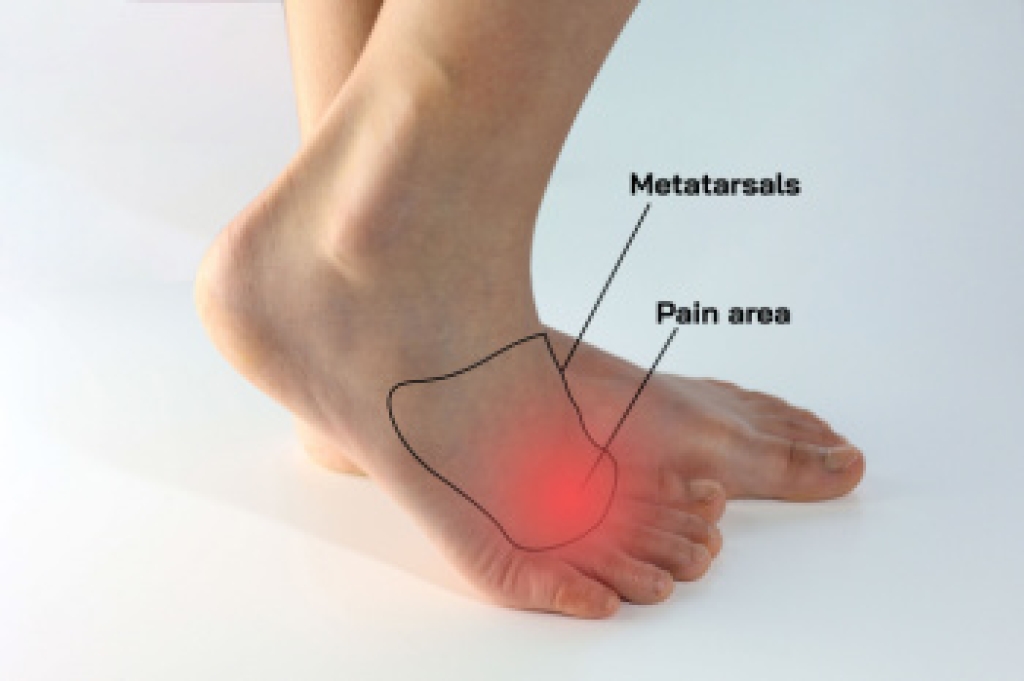
Morton's neuroma is a painful condition that affects the ball of the foot, most often between the third and fourth toes. It occurs when the tissue surrounding a nerve leading to the toes thickens, often due to irritation or compression. Common causes include wearing tight or high-heeled shoes, repetitive stress, and foot deformities. Symptoms typically include a sharp, burning pain in the ball of the foot, tingling, or numbness in the toes. Many describe the feeling as if there is a pebble in the shoe. Risk factors for developing Morton's neuroma include flat feet, high arches, certain sports, and wearing improper footwear. If you have symptoms of this foot condition, it is suggested that you consult a podiatrist who can accurately diagnose it and offer treatment options.

Morton’s neuroma is a very uncomfortable condition to live with. If you think you have Morton’s neuroma, contact Soorena Sadri, DPM of FootWorx Active Podiatry. Our doctor will attend to all of your foot care needs and answer any of your related questions.  

Morton’s Neuroma

Morton's neuroma is a painful foot condition that commonly affects the areas between the second and third or third and fourth toe, although other areas of the foot are also susceptible. Morton’s neuroma is caused by an inflamed nerve in the foot that is being squeezed and aggravated by surrounding bones.

What Increases the Chances of Having Morton’s Neuroma?

  • Ill-fitting high heels or shoes that add pressure to the toe or foot
  • Jogging, running or any sport that involves constant impact to the foot
  • Flat feet, bunions, and any other foot deformities

Morton’s neuroma is a very treatable condition. Orthotics and shoe inserts can often be used to alleviate the pain on the forefront of the feet. In more severe cases, corticosteroids can also be prescribed. In order to figure out the best treatment for your neuroma, it’s recommended to seek the care of a podiatrist who can diagnose your condition and provide different treatment options.

If you have any questions, please feel free to contact our office located in Fort Myers, FL . We offer the newest diagnostic and treatment technologies for all your foot care needs.

Read more about Morton's Neuroma

Why Live with Pain and Numbness in Your Feet?

Suffering from this type of pain? You may have the foot condition known as Morton's neuroma. Morton's neuroma may develop as a result of ill-fitting footwear and existing foot deformities. We can help.

Custom Orthotics For Seniors

Age gracefully and move freely with Custom Orthotics. For seniors seeking to maintain their independence, Custom Orthotics offer the stability and comfort essential for daily activities. Custom-tailored to your feet, they provide support, reduce pain, and enhance mobility, ensuring you're always on sure footing. Don't let age-related foot concerns hold you back. With Custom Orthotics, embrace every golden moment with confidence. Call today to schedule an appointment.

An Athlete’s Feet and Ankle Care

Athletes depend on strong, stable feet and ankles, but these areas are often overlooked until an injury happens. Quick movements, jumping, and repetitive stress can all take a toll over time. Sprains, stress fractures, tendon issues and plantar fasciitis are common in active individuals. Wearing the right shoes, warming up properly, and cross-training can help reduce risk. Awareness also means paying attention to small aches before they become bigger problems. Swelling, bruising, or pain that does not go away should not be ignored. Preventive care, including strength and balance exercises, can help protect against future injury. Regular check-ins with a podiatrist can also catch issues early and improve performance. If you are an athlete experiencing discomfort or instability in your feet or ankles, it is suggested you see a podiatrist for diagnosis and appropriate treatment.

Ankle and foot injuries are common among athletes and in many sports. They can be caused by several problems and may be potentially serious. If you are feeling pain or think you were injured in a sporting event or when exercising, consult with Soorena Sadri, DPM from FootWorx Active Podiatry. Our doctor will assess your condition and provide you with quality foot and ankle treatment.

Common Injuries

The most common injuries that occur in sporting activities include:

  • Achilles Tendonitis
  • Achilles Tendon Rupture
  • Ankle Sprains
  • Broken Foot
  • Plantar Fasciitis
  • Stress Fractures
  • Turf Toe

Symptoms

Symptoms vary depending upon the injury and in some cases, there may be no symptoms at all. However, in most cases, some form of symptom is experienced. Pain, aching, burning, bruising, tenderness, tightness or stiffness, sensation loss, difficulty moving, and swelling are the most common symptoms.

Treatment

Just as symptoms vary depending upon the injury, so do treatment options. A common treatment method is known as the RICE method. This method involves rest, applying ice, compression and elevating the afflicted foot or ankle. If the injury appears to be more serious, surgery might be required, such as arthroscopic or reconstructive surgery. Lastly, rehabilitation or therapy might be needed to gain full functionality in the afflicted area. Any discomfort experienced by an athlete must be evaluated by a licensed, reputable medical professional.  

If you have any questions please contact our office located in Fort Myers, FL . We offer the newest diagnostic and treatment technologies for all your foot and ankle needs.

Read more about Sports Related Foot and Ankle Injuries

Connect With Us