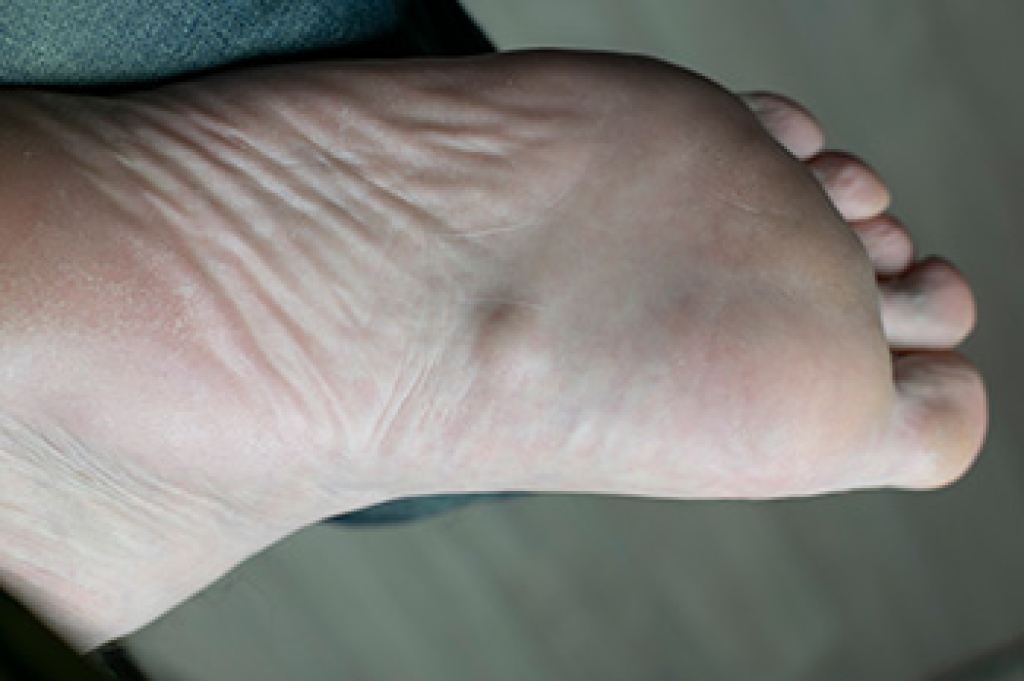
Dealing With Warts on the Feet

Warts that develop on the bottom of the foot are called plantar warts. They are caused by the human papillomavirus, or HPV, which infects the top layer of the skin and causes it to thicken. Plantar warts usually appear on weight-bearing areas, like the heel or the ball of the foot. They often look like rough, callus-like patches of skin and may contain small black dots, which are tiny blood vessels within the wart. Some plantar warts cause little discomfort, while others can become painful when pressure is placed on them when walking or standing. The virus can enter the skin through small cuts or breaks in the skin and are contagious. A podiatrist can examine the growth, confirm the diagnosis, and provide medical treatment to remove the wart safely and reduce discomfort. If you notice a growth on the bottom of the foot, it is suggested that you make an appointment with a podiatrist for an exam, diagnosis, and treatment.

Plantar warts can be very uncomfortable. If you need your feet checked, contact Soorena Sadri, DPM from FootWorx Active Podiatry. Our doctor will assist you with all of your foot and ankle needs.

About Plantar Warts

Plantar warts are the result of HPV, or human papillomavirus, getting into open wounds on the feet. They are mostly found on the heels or balls of the feet.

While plantar warts are generally harmless, those experiencing excessive pain or those suffering from diabetes or a compromised immune system require immediate medical care. Plantar warts are easily diagnosed, usually through scraping off a bit of rough skin or by getting a biopsy.

Symptoms

  • Lesions on the bottom of your feet, usually rough and grainy
  • Hard or thick callused spots
  • Wart seeds, which are small clotted blood vessels that look like little black spots
  • Pain, discomfort, or tenderness of your feet when walking or standing

Treatment

  • Freezing
  • Electric tool removal
  • Laser Treatment
  • Topical Creams (prescription only)
  • Over-the-counter medications

To help prevent developing plantar warts, avoid walking barefoot over abrasive surfaces that can cause cuts or wounds for HPV to get into. Avoiding direct contact with other warts, as well as not picking or rubbing existing warts, can help prevent the further spread of plantar warts. However, if you think you have developed plantar warts, speak to your podiatrist. He or she can diagnose the warts on your feet and recommend the appropriate treatment options.

If you have any questions, please feel free to contact our office located in Fort Myers, FL . We offer the newest diagnostic and treatment technologies for all your foot care needs.

Read more about Plantar Warts

Facts About Dancer’s Fractures

A dancer’s fracture is a specific type of break that affects the fifth metatarsal, the long bone on the outer side of the foot that connects the little toe to the middle of the foot. This injury often occurs after a sudden twisting motion, awkward landing, or direct impact that places strong force on the outer edge of the foot. Although it is commonly seen in dancers and athletes, anyone can develop this fracture during daily activities or sports. Symptoms of a dancer’s fracture include sharp outer foot pain, swelling, bruising, tenderness, and difficulty walking or bearing weight. The break is usually diagonal along the middle portion of the bone. A podiatrist can perform a thorough exam, order X-rays to confirm the injury, and create a treatment plan to support proper healing. If you believe you have sustained a foot fracture, it is suggested that you make an appointment with a podiatrist for an exam, diagnosis, and treatment.

A broken foot requires immediate medical attention and treatment. If you need your feet checked, contact Soorena Sadri, DPM from FootWorx Active Podiatry. Our doctor can provide the care you need to keep you pain-free and on your feet.

Broken Foot Causes, Symptoms, and Treatment

A broken foot is caused by one of the bones in the foot typically breaking when bended, crushed, or stretched beyond its natural capabilities. Usually the location of the fracture indicates how the break occurred, whether it was through an object, fall, or any other type of injury. 

Common Symptoms of Broken Feet:

  • Bruising
  • Pain
  • Redness
  • Swelling
  • Blue in color
  • Numbness
  • Cold
  • Misshapen
  • Cuts
  • Deformities

Those that suspect they have a broken foot shoot seek urgent medical attention where a medical professional could diagnose the severity.

Treatment for broken bones varies depending on the cause, severity and location. Some will require the use of splints, casts or crutches while others could even involve surgery to repair the broken bones. Personal care includes the use of ice and keeping the foot stabilized and elevated.

If you have any questions, please feel free to contact our office located in Fort Myers, FL . We offer the newest diagnostic and treatment technologies for all your foot care needs.

Read more about Causes, Symptoms, and Treatment for a Broken Foot

Surgical Options for Bunions

A bunion is a hard bump that forms at the base of the big toe where it meets the long bone of the foot. Over time, the big toe begins to lean toward the second toe, which causes the joint to stick outward and become swollen and painful. As the deformity progresses, the joint may become stiff, irritated, and difficult to move. When the pain becomes severe or walking is limited, bunion surgery may be recommended to correct the problem. Several types of procedures may be used depending on the size and shape of the bunion. One procedure removes the bony bump. Another type of surgery cuts and shifts the bone so the big toe can return to a straighter position. In more advanced cases, the joint may be stabilized using small screws or plates to keep the bones aligned. A podiatrist can examine the foot, evaluate the severity of the bunion, and determine the most effective surgical option. If you have a painful bunion, it is suggested that you make an appointment with a podiatrist for an exam, diagnosis, and treatment.

If you are suffering from bunion pain, contact Soorena Sadri, DPM of FootWorx Active Podiatry. Our doctor can provide the care you need to keep you pain-free and on your feet.

What Is a Bunion?

Bunions are painful bony bumps that usually develop on the inside of the foot at the joint of the big toe. As the deformity increases over time, it may become painful to walk and wear shoes. Women are more likely to exacerbate existing bunions since they often wear tight, narrow shoes that shift their toes together. Bunion pain can be relieved by wearing wider shoes with enough room for the toes.

Causes

  • Genetics – some people inherit feet that are more prone to bunion development
  • Inflammatory Conditions - rheumatoid arthritis and polio may cause bunion development

Symptoms

  • Redness and inflammation
  • Pain and tenderness
  • Callus or corns on the bump
  • Restricted motion in the big toe

In order to diagnose your bunion, your podiatrist may ask about your medical history, symptoms, and general health. Your doctor might also order an x-ray to take a closer look at your feet. Nonsurgical treatment options include orthotics, padding, icing, changes in footwear, and medication. If nonsurgical treatments don’t alleviate your bunion pain, surgery may be necessary.

If you have any questions, please feel free to contact our office located in Fort Myers, FL . We offer the newest diagnostic and treatment technologies for all your foot care needs.

Read more about Bunions

Foot Anatomy and How It Supports Movement

The foot is a complex weight-bearing structure made of bones, joints, tendons and ligaments that work together to support standing, walking and running. Key bones include the talus, which connects the foot to the ankle, the calcaneus which forms the heel, and the navicular, cuboid, and the cuneiforms that create the arch and midfoot stability. These bones form joints that allow smooth coordinated motion while tendons attach muscles to bone to generate movement. Ligaments provide stability by holding the bones in proper alignment. Together they absorb shock, adapt to uneven surfaces and propel the body forward. A podiatrist can evaluate biomechanical function, treat pain, and prevent injury. If you have foot or ankle pain, it is suggested that you consult a podiatrist who can offer effective treatment solutions, and expert tips on how to maintain strong, healthy feet.

If you have any concerns about your feet, contact Soorena Sadri, DPM from FootWorx Active Podiatry. Our doctor can provide the care you need to keep you pain-free and on your feet.

Biomechanics in Podiatry

Podiatric biomechanics is a particular sector of specialty podiatry with licensed practitioners who are trained to diagnose and treat conditions affecting the foot, ankle and lower leg. Biomechanics deals with the forces that act against the body, causing an interference with the biological structures. It focuses on the movement of the ankle, the foot and the forces that interact with them.

A History of Biomechanics

  • Biomechanics dates back to the BC era in Egypt where evidence of professional foot care has been recorded.
  • In 1974, biomechanics gained a higher profile from the studies of Merton Root, who claimed that by changing or controlling the forces between the ankle and the foot, corrections or conditions could be implemented to gain strength and coordination in the area.

Modern technological improvements are based on past theories and therapeutic processes that provide a better understanding of podiatric concepts for biomechanics. Computers can provide accurate information about the forces and patterns of the feet and lower legs.

Understanding biomechanics of the feet can help improve and eliminate pain, stopping further stress to the foot.

If you have any questions please feel free to contact our office located in Fort Myers, FL . We offer the newest diagnostic and treatment technologies for all your foot and ankle needs.


Read more about Biomechanics in Podiatry

Get Professional Care for a Broken Foot or Ankle

Constant care and regular evaluation are important for a foot or ankle fracture. If left untreated, foot or ankle fractures can worsen over time and create more serious problems.

Don't wait to be examined if you believe you've experienced a foot or ankle fracture.

Connect With Us