
Foot and Ankle Pain During Multi-Day Bike Rides

Foot and ankle pain during multi-day bike rides is common due to prolonged pressure, repetitive motion, and improper shoe fit. One of the most frequent complaints is hot foot. This is a burning sensation in the ball of the foot, caused by nerve compression and restricted circulation inside tight cycling shoes. Symptoms include numbness, tingling, and intense heat that worsens with distance. Pain along the outside edge of the foot can result from poor cleat alignment or uneven pressure distribution. Achilles tendonitis may also develop from overuse and improper bike positioning, leading to stiffness and soreness at the back of the heel. A podiatrist can assess biomechanics and recommend solutions. If you have foot pain during your bike rides, it is suggested that you consult a podiatrist who can offer effective relief and treatment solutions, getting you back to riding your bike comfortably.

Sports related foot and ankle injuries require proper treatment before players can go back to their regular routines. For more information, contact Soorena Sadri, DPM of FootWorx Active Podiatry. Our doctor can provide the care you need to keep you pain-free and on your feet.

Sports Related Foot and Ankle Injuries

Foot and ankle injuries are a common occurrence when it comes to athletes of any sport. While many athletes dismiss the initial aches and pains, the truth is that ignoring potential foot and ankle injuries can lead to serious problems. As athletes continue to place pressure and strain the area further, a mild injury can turn into something as serious as a rupture and may lead to a permanent disability. There are many factors that contribute to sports related foot and ankle injuries, which include failure to warm up properly, not providing support or wearing bad footwear. Common injuries and conditions athletes face, including:

  • Plantar Fasciitis
  • Achilles Tendinitis
  • Achilles Tendon Rupture
  • Ankle Sprains

Sports related injuries are commonly treated using the RICE method. This includes rest, applying ice to the injured area, compression and elevating the ankle. More serious sprains and injuries may require surgery, which could include arthroscopic and reconstructive surgery. Rehabilitation and therapy may also be required in order to get any recovering athlete to become fully functional again. Any unusual aches and pains an athlete sustains must be evaluated by a licensed, reputable medical professional.

If you have any questions please contact our office located in Fort Myers, FL . We offer the newest diagnostic and treatment technologies for all your foot and ankle needs.


Read more about Sports Related Foot And Ankle Injuries

Athlete’s Foot Risks for Swimmers

Athlete’s foot is a common fungal skin infection that affects the feet and thrives in warm and moist environments. It often develops between the toes and can cause itching, redness, scaling, and burning discomfort. Swimmers are especially at risk because fungi spread easily in pools, locker rooms, indoor bathing areas, and public showers, where surfaces stay warm and humid. Prolonged exposure to moisture, tight footwear, and walking barefoot in shared spaces can increase the chance of infection. If left untreated, athlete’s foot can worsen and manifest into more severe skin disease that spreads to the soles, nails or other areas of the body. A podiatrist can accurately diagnose the condition, provide effective treatment and offer prevention guidance. If foot itching or skin changes persist, it is suggested that you consult a podiatrist who can offer effective treatment solutions, which may include prescribed medication.

Athlete’s foot is an inconvenient condition that can be easily reduced with the proper treatment. If you have any concerns about your feet and ankles, contact Soorena Sadri, DPM from FootWorx Active Podiatry.  Our doctor will treat your foot and ankle needs.

Athlete’s Foot: The Sole Story

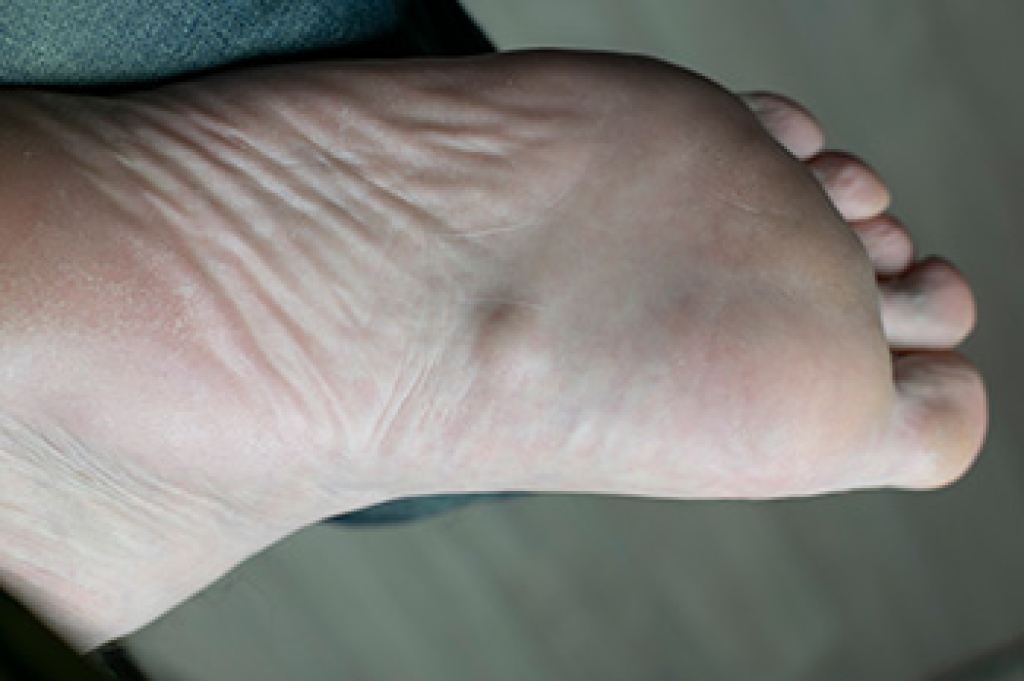
Athlete's foot, also known as tinea pedis, can be an extremely contagious foot infection. It is commonly contracted in public changing areas and bathrooms, dormitory style living quarters, around locker rooms and public swimming pools, or anywhere your feet often come into contact with other people.

Solutions to Combat Athlete’s Foot

  • Hydrate your feet by using lotion
  • Exfoliate
  • Buff off nails
  • Use of anti-fungal products
  • Examine your feet and visit your doctor if any suspicious blisters or cuts develop

Athlete’s foot can cause many irritating symptoms such as dry and flaking skin, itching, and redness. Some more severe symptoms can include bleeding and cracked skin, intense itching and burning, and even pain when walking. In the worst cases, Athlete’s foot can cause blistering as well. Speak to your podiatrist for a better understanding of the different causes of Athlete’s foot, as well as help in determining which treatment options are best for you.

If you have any questions please feel free to contact our office located in Fort Myers, FL . We offer the newest diagnostic and treatment technologies for all your foot and ankle needs.
Read more about Athlete’s Foot

We Can Treat Your Foot or Ankle Pain

Foot or ankle pain can negatively affect your day-to-day life and can occur due to several different conditions. Pain can also be an indicator of a more serious underlying condition, which is why you should seek professional help as soon as you notice any abnormalities in your feet.

When Heel Pain Greets the First Step

Plantar fasciitis is a common cause of heel pain that develops when the thick band of tissue supporting the arch becomes strained or inflamed. It often begins gradually and is frequently linked to overuse, foot mechanics, prolonged standing, or unsupportive footwear. Symptoms usually include sharp or aching pain in the heel, stiffness after rest, and discomfort that improves slightly with movement but returns later in the day. The heel may look normal or mildly swollen, yet it can feel tender, tight, or burning with pressure. Common contributing factors include repetitive stress, tight calf muscles, and weight changes such as soreness, inflammation, and reduced flexibility. A podiatrist can help by starting with a detailed examination and imaging when necessary to confirm the diagnosis and rule out other causes of heel pain. Treatment often begins with footwear guidance, supportive devices, and custom orthotics, then progresses to medications, targeted exercises, or advanced procedures if symptoms persist. If you think you may have heel pain, it is suggested that you make an appointment with a podiatrist.

Plantar fasciitis can be very painful and inconvenient. If you are experiencing heel pain or symptoms of plantar fasciitis, contact Soorena Sadri, DPM  from FootWorx Active Podiatry. Our doctor can provide the care you need to keep you pain-free and on your feet.

What Is Plantar Fasciitis?

Plantar fasciitis is the inflammation of the thick band of tissue that runs along the bottom of your foot, known as the plantar fascia, and causes mild to severe heel pain.

What Causes Plantar Fasciitis?

  • Excessive running
  • Non-supportive shoes
  • Overpronation
  • Repeated stretching and tearing of the plantar fascia

How Can It Be Treated?

  • Conservative measures – anti-inflammatories, ice packs, stretching exercises, physical therapy, orthotic devices
  • Shockwave therapy – sound waves are sent to the affected area to facilitate healing and are usually used for chronic cases of plantar fasciitis
  • Surgery – usually only used as a last resort when all else fails. The plantar fascia can be surgically detached from the heel

While very treatable, plantar fasciitis is definitely not something that should be ignored. Especially in severe cases, speaking to your doctor right away is highly recommended to avoid complications and severe heel pain. Your podiatrist can work with you to provide the appropriate treatment options tailored to your condition.

If you have any questions, please feel free to contact our office located in Fort Myers, FL . We offer the newest diagnostic and treatment technologies for all your foot care needs.

Read more about Plantar Fasciitis

Types of Foot Ulcers

Foot ulcers are open sores that develop on the feet and can lead to serious complications if not treated promptly. Common types include diabetic ulcers, arterial ulcers, and pressure related ulcers. Diabetic ulcers often occur due to nerve damage and poor circulation, leading to unnoticed injuries. Arterial ulcers are caused by reduced blood flow, making it difficult for wounds to heal. Additionally, pressure damage ulcers develop from prolonged friction or constant pressure on certain areas of the foot. Symptoms may include redness, drainage, swelling, pain, or a wound that does not heal. A podiatrist can identify the type of ulcer, address underlying causes, and provide wound care, helping to prevent infection or limb loss. If you have a foot wound, it is strongly suggested that you are under the care of a podiatrist who can determine the type and provide appropriate treatment.

Wound care is an important part in dealing with diabetes. If you have diabetes and a foot wound or would like more information about wound care for diabetics, consult with Soorena Sadri, DPM from FootWorx Active Podiatry. Our doctor will assess your condition and provide you with quality foot and ankle treatment.

What Is Wound Care?

Wound care is the practice of taking proper care of a wound. This can range from the smallest to the largest of wounds. While everyone can benefit from proper wound care, it is much more important for diabetics. Diabetics often suffer from poor blood circulation which causes wounds to heal much slower than they would in a non-diabetic. 

What Is the Importance of Wound Care?

While it may not seem apparent with small ulcers on the foot, for diabetics, any size ulcer can become infected. Diabetics often also suffer from neuropathy, or nerve loss. This means they might not even feel when they have an ulcer on their foot. If the wound becomes severely infected, amputation may be necessary. Therefore, it is of the upmost importance to properly care for any and all foot wounds.

How to Care for Wounds

The best way to care for foot wounds is to prevent them. For diabetics, this means daily inspections of the feet for any signs of abnormalities or ulcers. It is also recommended to see a podiatrist several times a year for a foot inspection. If you do have an ulcer, run the wound under water to clear dirt from the wound; then apply antibiotic ointment to the wound and cover with a bandage. Bandages should be changed daily and keeping pressure off the wound is smart. It is advised to see a podiatrist, who can keep an eye on it.

If you have any questions please contact our office located in Fort Myers, FL . We offer the newest diagnostic and treatment technologies for all your foot and ankle needs.

Read more about Wound Care

Connect With Us