
Types of Foot Ulcers

Foot ulcers are open sores that develop on the feet and can lead to serious complications if not treated promptly. Common types include diabetic ulcers, arterial ulcers, and pressure related ulcers. Diabetic ulcers often occur due to nerve damage and poor circulation, leading to unnoticed injuries. Arterial ulcers are caused by reduced blood flow, making it difficult for wounds to heal. Additionally, pressure damage ulcers develop from prolonged friction or constant pressure on certain areas of the foot. Symptoms may include redness, drainage, swelling, pain, or a wound that does not heal. A podiatrist can identify the type of ulcer, address underlying causes, and provide wound care, helping to prevent infection or limb loss. If you have a foot wound, it is strongly suggested that you are under the care of a podiatrist who can determine the type and provide appropriate treatment.

Wound care is an important part in dealing with diabetes. If you have diabetes and a foot wound or would like more information about wound care for diabetics, consult with Soorena Sadri, DPM from FootWorx Active Podiatry. Our doctor will assess your condition and provide you with quality foot and ankle treatment.

What Is Wound Care?

Wound care is the practice of taking proper care of a wound. This can range from the smallest to the largest of wounds. While everyone can benefit from proper wound care, it is much more important for diabetics. Diabetics often suffer from poor blood circulation which causes wounds to heal much slower than they would in a non-diabetic. 

What Is the Importance of Wound Care?

While it may not seem apparent with small ulcers on the foot, for diabetics, any size ulcer can become infected. Diabetics often also suffer from neuropathy, or nerve loss. This means they might not even feel when they have an ulcer on their foot. If the wound becomes severely infected, amputation may be necessary. Therefore, it is of the upmost importance to properly care for any and all foot wounds.

How to Care for Wounds

The best way to care for foot wounds is to prevent them. For diabetics, this means daily inspections of the feet for any signs of abnormalities or ulcers. It is also recommended to see a podiatrist several times a year for a foot inspection. If you do have an ulcer, run the wound under water to clear dirt from the wound; then apply antibiotic ointment to the wound and cover with a bandage. Bandages should be changed daily and keeping pressure off the wound is smart. It is advised to see a podiatrist, who can keep an eye on it.

If you have any questions please contact our office located in Fort Myers, FL . We offer the newest diagnostic and treatment technologies for all your foot and ankle needs.

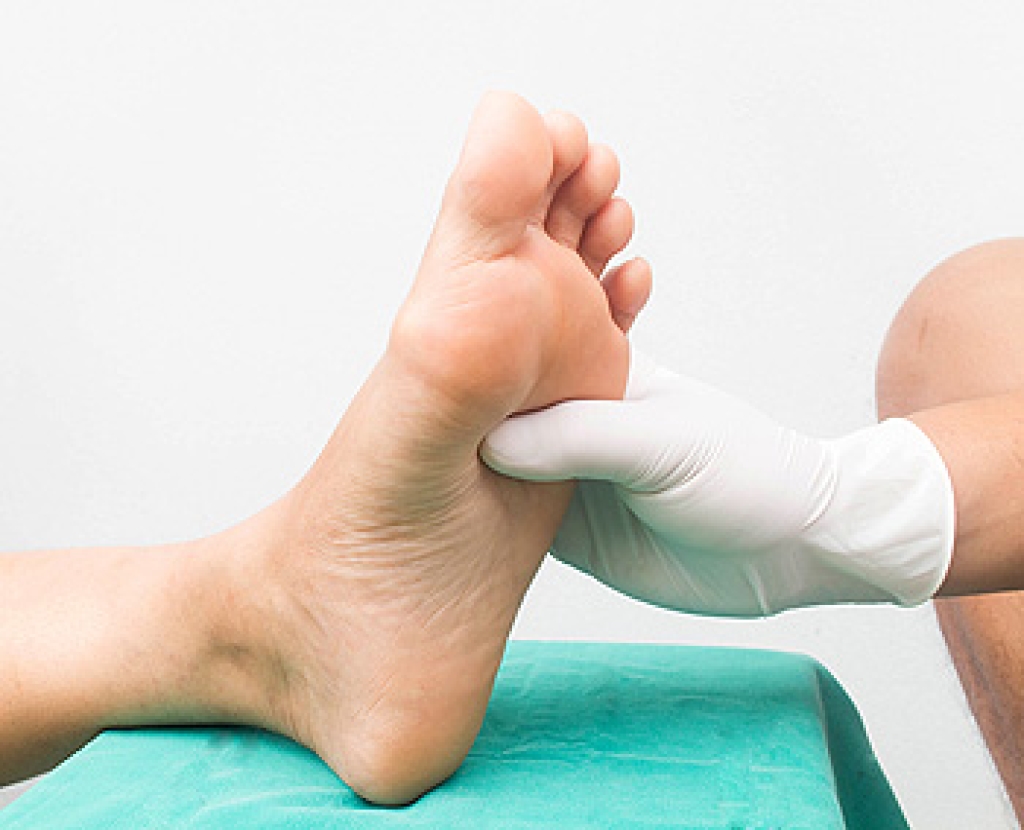
Read more about Wound Care

Choosing the Best Shoes for Retail Workers

Retail workers spend long hours standing and walking, making proper footwear essential for comfort and foot health. Block heel pumps offer stability and better weight distribution compared to narrow heels, helping reduce strain on the feet and legs. Arch support flats provide cushioning and structural support, which can ease fatigue and help prevent common problems such as heel pain and arch discomfort. Additionally, knit heels allow flexibility and breathability, adapting to foot movement while reducing pressure and irritation. The right shoes support posture, improve balance, and lower the risk of overuse injuries during long shifts. A podiatrist can evaluate foot structure, recommend supportive shoe styles, and suggest custom orthotics, if needed. If foot pain or fatigue affects your workday, it is suggested that you consult a podiatrist who can treat various foot conditions, and guide you on appropriate shoes to wear for your job.

While working on the feet, it is important to take the proper care of them. For more information about working on your feet, contact Soorena Sadri, DPM from FootWorx Active Podiatry. Our doctor will treat your foot and ankle needs.

Working on Your Feet

Standing on your feet for long periods of time can cause stress and pain in your feet. Your whole body may experience change in terms of posture, back pain, bunions, callouses and or plantar warts. There are ways to avoid these conditions with proper foot care, smart choices and correct posture.

Positive Changes

Negative heeled shoe – Choosing this shoe type places the heel slightly lower than the ball of the foot. These are great for overall foot health. Find shoes that fit you correctly.

Go barefoot – Our feet were not designed to be enclosed for all hours of the day. Try to periodically expose your feet to air.

Eliminate Pain

Foot Exercises – Performing simple exercises, incorporating yoga and doing stretches are beneficial. This will allow increased blood flow to the area and muscles of the foot.

Achilles tendon – Stretching the foot out flat on the floor will relax the calf muscles and tendon. These exercises can be performed almost anywhere. Make sure you add these exercises to your daily regimen. 

With a little bit of this information and knowing more about foot health, you will notice changes. Foot stretches and proper footwear will help with pain and prevent further issues.

If you have any questions please contact our office located in Fort Myers, FL . We offer the newest diagnostic and treatment technologies for all your foot and ankle needs.
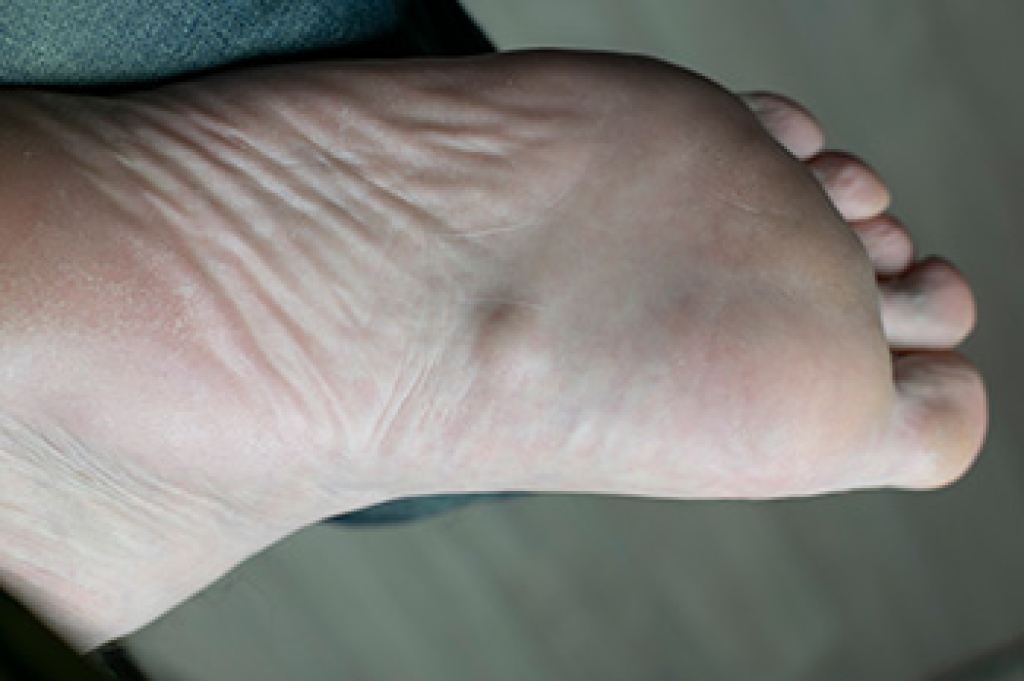
Read more about How to Handle a Long Work Day on Your Feet

Benefits of Orthotics and Podiatric Guidance

Orthotics are medical devices placed inside shoes to support and align the feet during standing and walking. They are used to help balance the foot in a neutral position, improving overall posture and reducing strain on the ankles, knees, hips, and lower back. Orthotics also cushion the foot from excessive pounding, helping absorb shock and protect joints and soft tissues. By improving alignment and reducing pressure, orthotics may help control pain caused by conditions such as plantar fasciitis, arthritis, and foot fatigue. A podiatrist can evaluate foot structure, gait, and activity level to determine if orthotics are appropriate. Custom orthotics are designed to address individual needs and provide long-term support. If foot pain or instability is affecting your daily life, it is suggested that you schedule a visit with a podiatrist to learn how orthotics can improve comfort and mobility.

If you are having discomfort in your feet and would like to try orthotics, contact Soorena Sadri, DPM from FootWorx Active Podiatry. Our doctor can provide the care you need to keep you pain-free and on your feet.

What Are Orthotics?

Orthotics are inserts you can place into your shoes to help with a variety of foot problems such as flat feet or foot pain. Orthotics provide relief and comfort for minor foot and heel pain but can’t correct serious biomechanical problems in your feet.

Over-the-Counter Inserts

Orthotics come in a wide variety of over-the-counter inserts that are used to treat foot pain, heel pain, and minor problems. For example, arch supports can be inserted into your shoes to help correct overarched or flat feet, while gel insoles are often used because they provide comfort and relief from foot and heel pain by alleviating pressure.

Prescription Orthotics

If over-the-counter inserts don’t work for you or if you have a more severe foot concern, it is possible to have your podiatrist prescribe custom orthotics. These high-quality inserts are designed to treat problems such as abnormal motion, plantar fasciitis, and severe forms of heel pain. They can even be used to help patients suffering from diabetes by treating foot ulcers and painful calluses and are usually molded to your feet individually, which allows them to provide full support and comfort.

If you are experiencing minor to severe foot or heel pain, it’s recommended to speak with your podiatrist about the possibilities of using orthotics. A podiatrist can determine which type of orthotic is right for you and allow you to take the first steps towards being pain-free.

If you have any questions, please feel free to contact our office located in Fort Myers, FL . We offer the newest diagnostic and treatment technologies for all your foot care needs.

Read more about Foot Orthotics

Keep Your Feet Healthy So You Can Stay Active

Have your feet inspected by a professional before starting a new sport or physical activity. Taking charge of your foot health will keep you in good physical condition and can help you avoid a potential injury, such as a fracture or sprained ankle.

Prevent injuries and see a foot specialist.

Diabetic Limb Salvage and Podiatrists

Diabetic limb salvage focuses on preserving foot structure and function while reducing the risk of wounds and limb loss. In podiatry, the foot is evaluated as a biomechanical system rather than an isolated sore, allowing pressure points, deformity, and joint alignment to be addressed together. A podiatrist can provide wound care, offloading, and monitoring while considering how walking forces affect the toes, midfoot, and ankle. When clinic-based care is not enough, surgery can correct imbalance, remove pressure from high-risk areas, and stabilize unstable joints. Long-term planning is essential for diabetic limb salvage, since changes in foot mechanics can shift pressure and create new problems. Ongoing evaluation helps protect tissue and maintain mobility. For help with foot problems, it is suggested that you consult a podiatrist for an exam and treatment.

Diabetic Limb Salvage

Diabetic limb salvage can be an effective way in preventing the need for limb amputation. If you have a foot ulcer and diabetes, consult with Soorena Sadri, DPM from FootWorx Active Podiatry. Our doctor will assess your condition and provide you with quality foot and ankle treatment.

What Is Diabetic Limb Salvage?

Diabetic limb salvage is the attempt of saving a limb, such as the foot, that has an infected ulcer, from amputation. Podiatrists also try to make sure that there is enough function in the foot after the salvage that it is still usable. Those with diabetes experience poor blood circulation, which prevents proper healing of an ulcer. If the ulcer is left uncheck, it could become infected, which could result in the need for amputation.

Diabetes is the number one cause of non-traumatic amputations in the United States. Amputation has been found to lead to higher mortality rates. This translates into higher healthcare costs, and a reduced quality of life and mobility for amputees. Podiatrists have attempted to increase the prevalence of limb salvage in an attempt to solve these issues.

Diagnosis and Treatment

Limb salvage teams have grown in recent years that utilize a number of different treatments to save the infected limb. This includes podiatrists that specialize in wound care, rehabilitation, orthotics, and surgery. Through a combination of these methods, limb salvage has been found to be an effective treatment for infected limbs, and as an alternative to amputation. Podiatrists will first evaluate the potential for limb salvage and determine if the limb can be saved or must be amputated. 

If you have any questions, please feel free to contact our office located in Fort Myers, FL . We offer the newest diagnostic and treatment technologies for all your foot care needs.

Read more about Diabetic Limb Salvage

Connect With Us